Hornady’s 22 ARC
Field Proven Performance
feature By: Jeremiah Polacek | November, 26
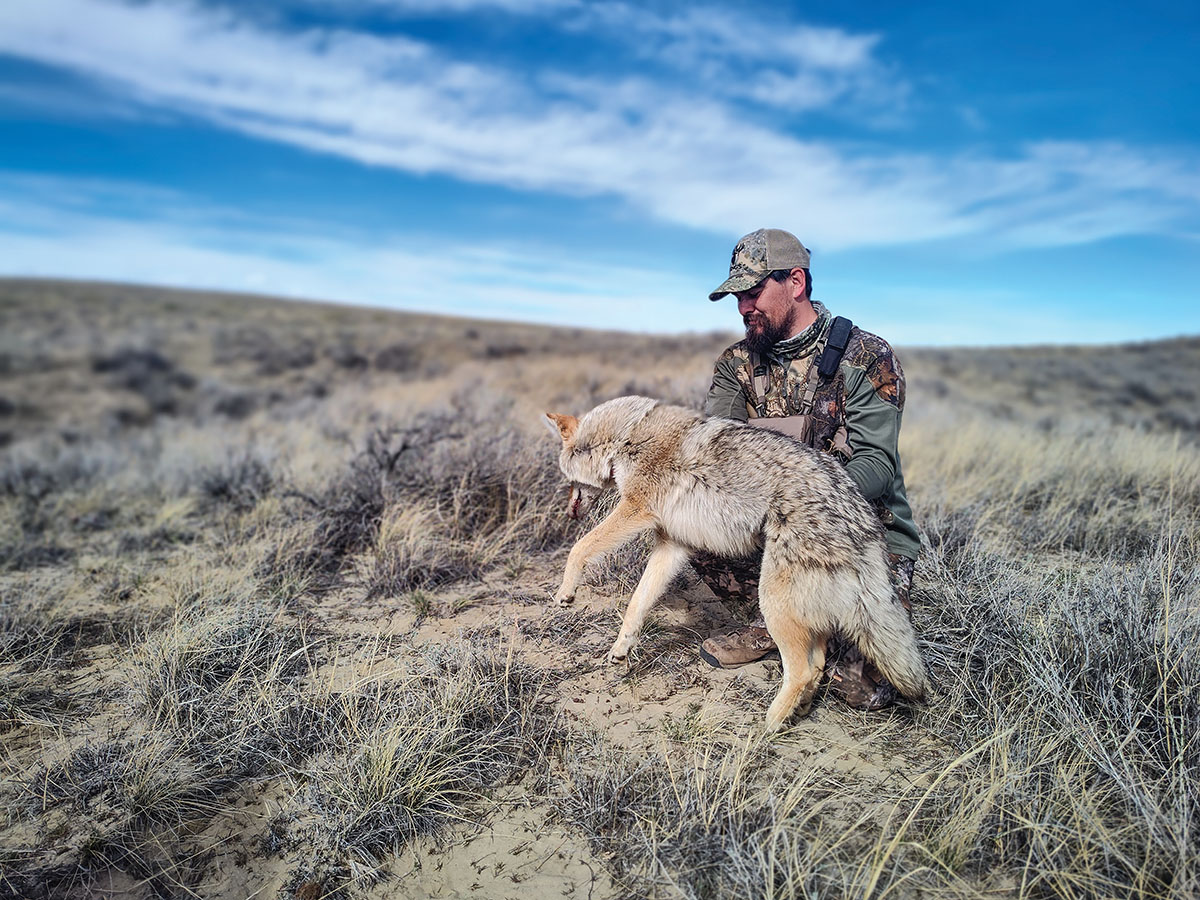
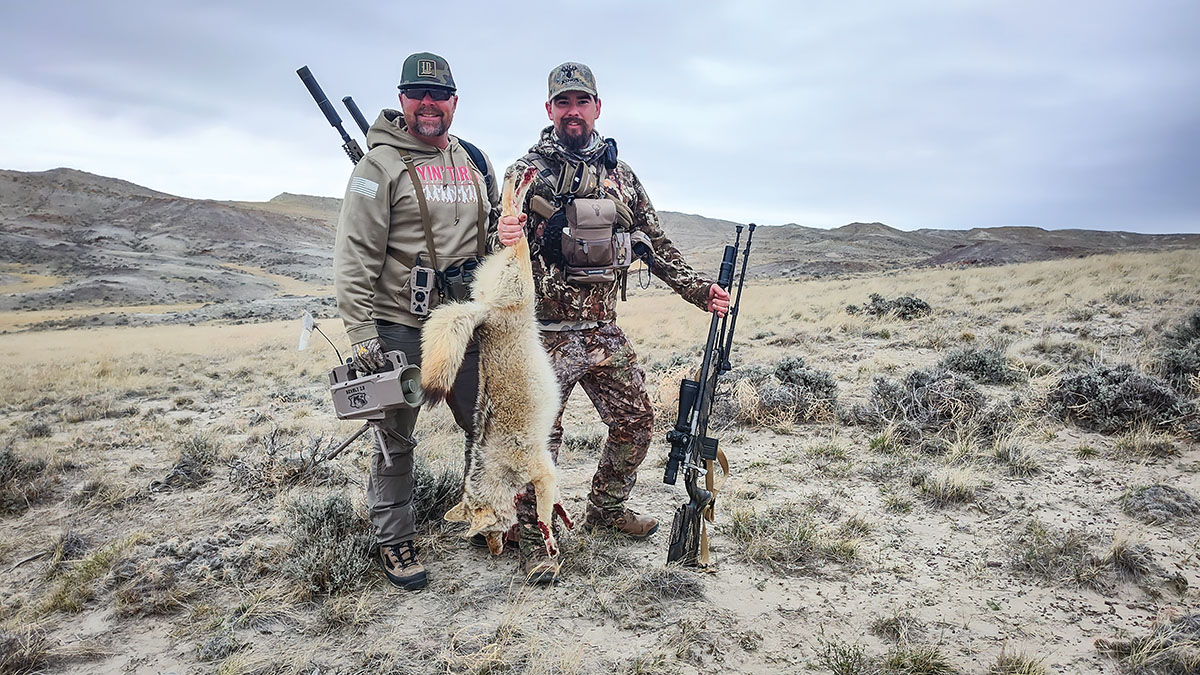
My go-to load for my various coyote rifles was the 32-grain Lehigh Defense Controlled Chaos bullet at an astounding 4,300 FPS (yes, you read that right), using Accurate 2200 powder. It worked exceptionally well and was flat-shooting at reasonable ranges thanks to the extremely high velocity. It did not over-penetrate and cause massive pelt damage, as it seldom, if ever, exited. Usually it only left a tiny .22-caliber hole in a pelt and seldom, if ever exited, even on small desert dogs. The one issue with this load was it drifted more in the wind than most loads and if something of the big cat variety or bear came in to my call, I felt a little undergunned with that 32-grain projectile.
The Cartridge and Rifle
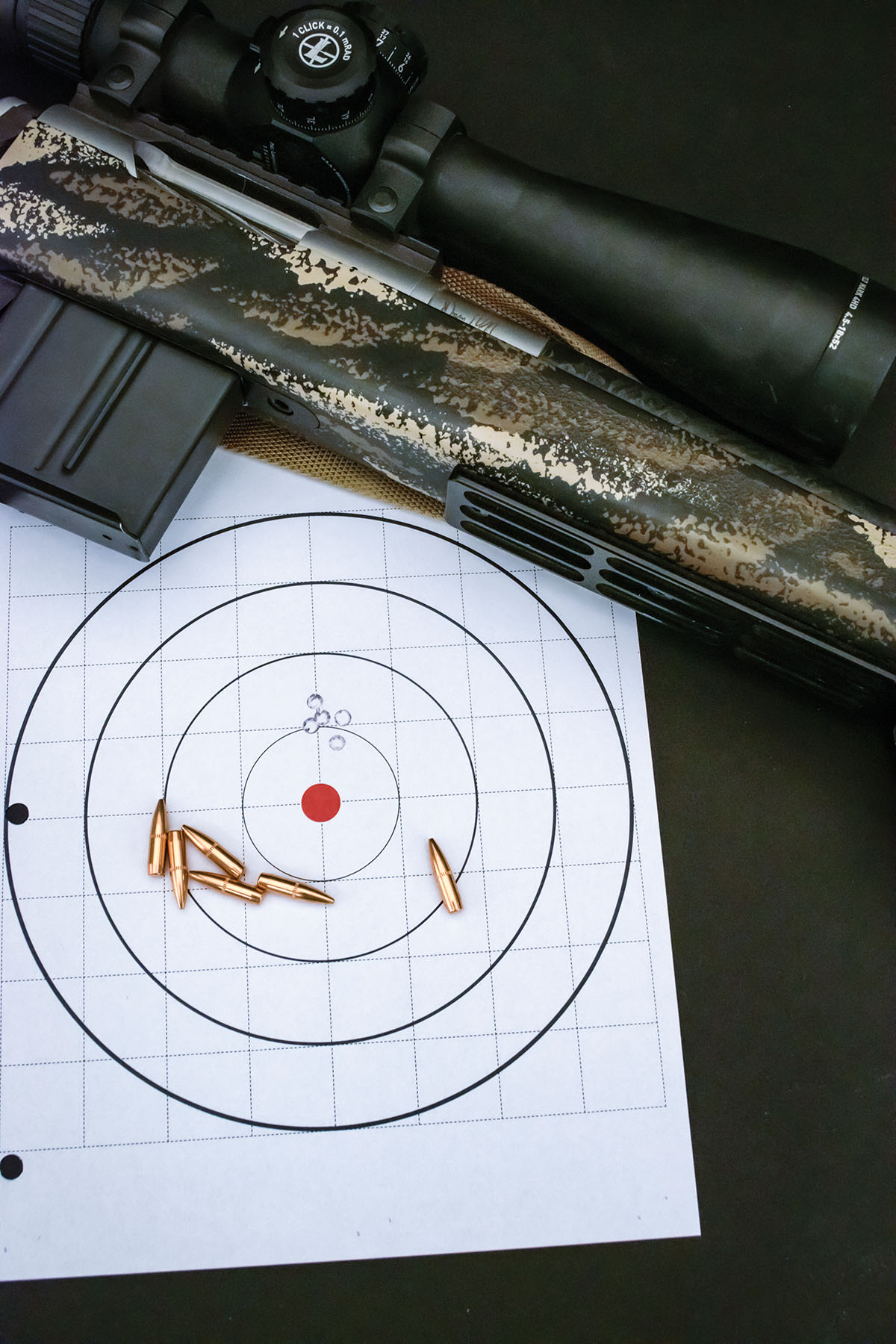
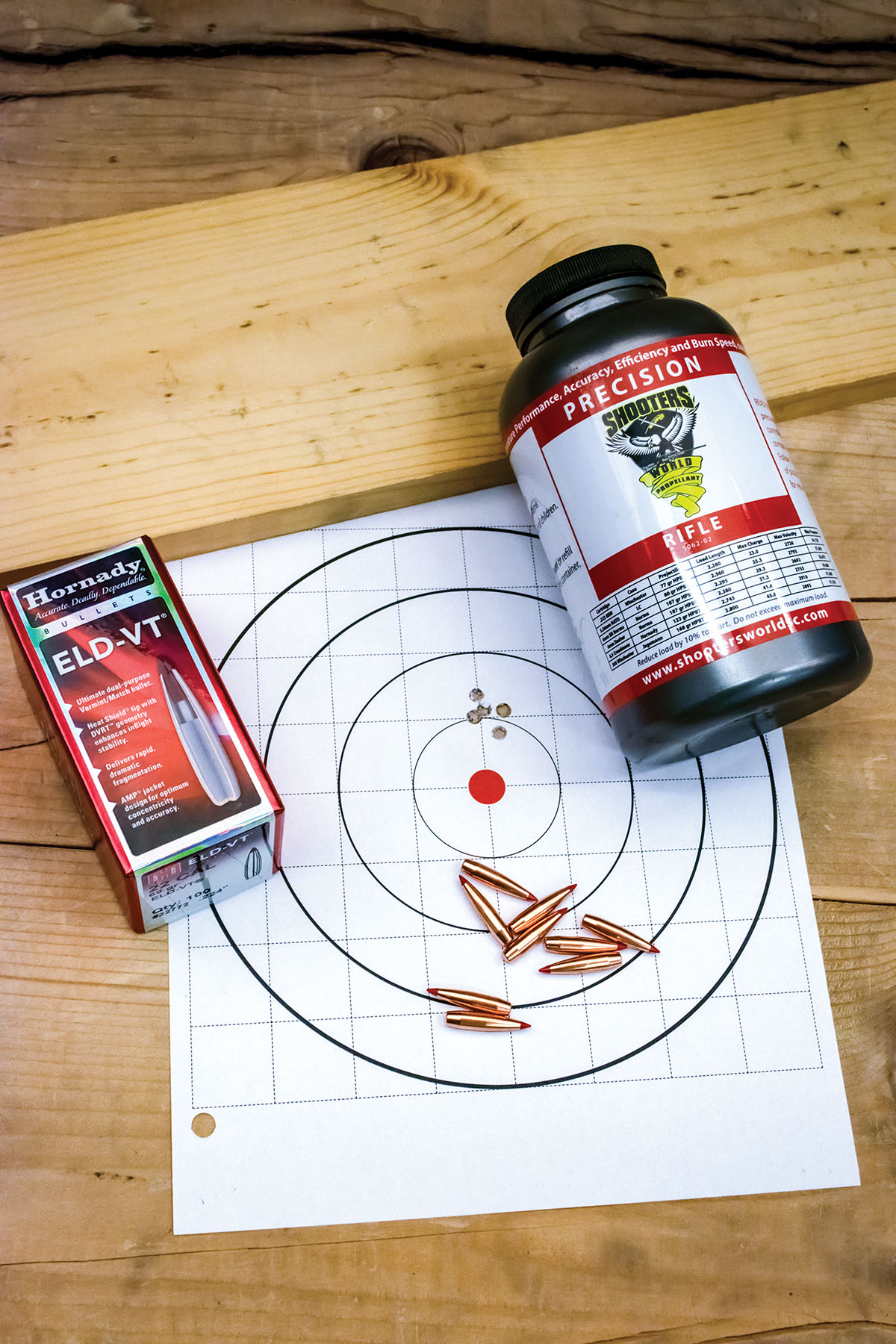
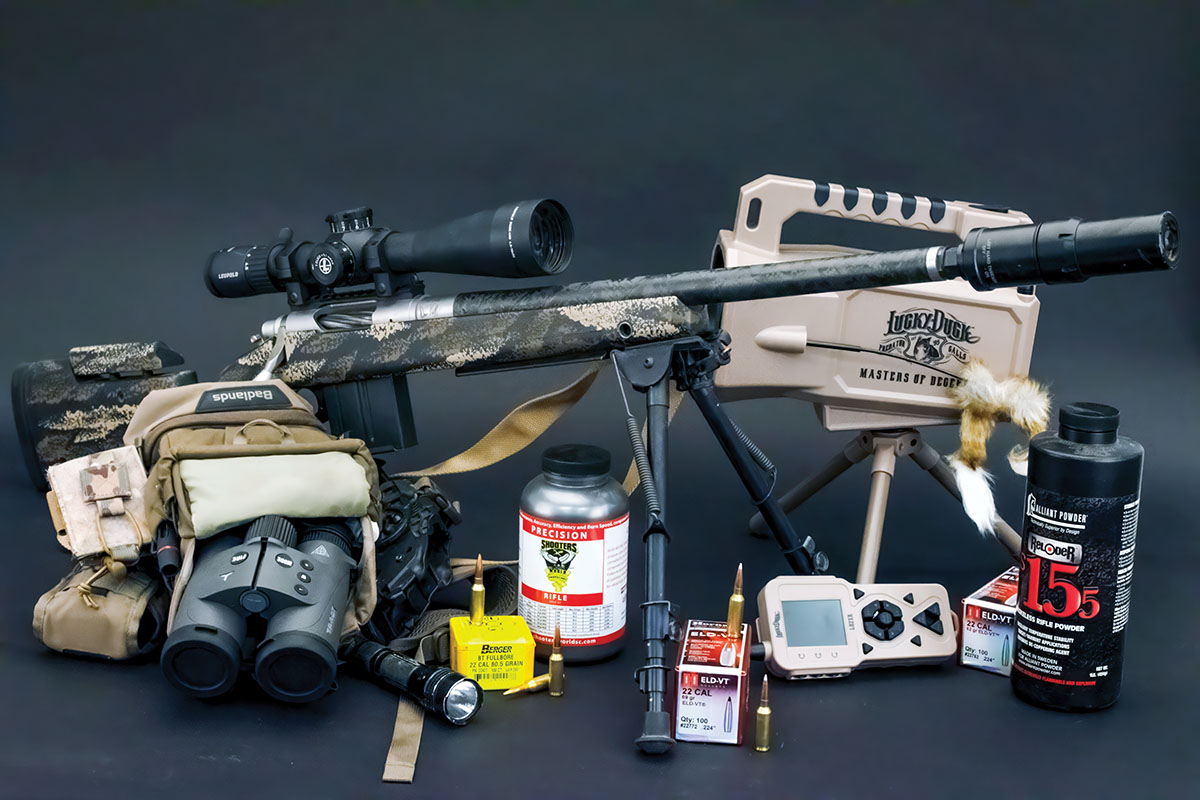
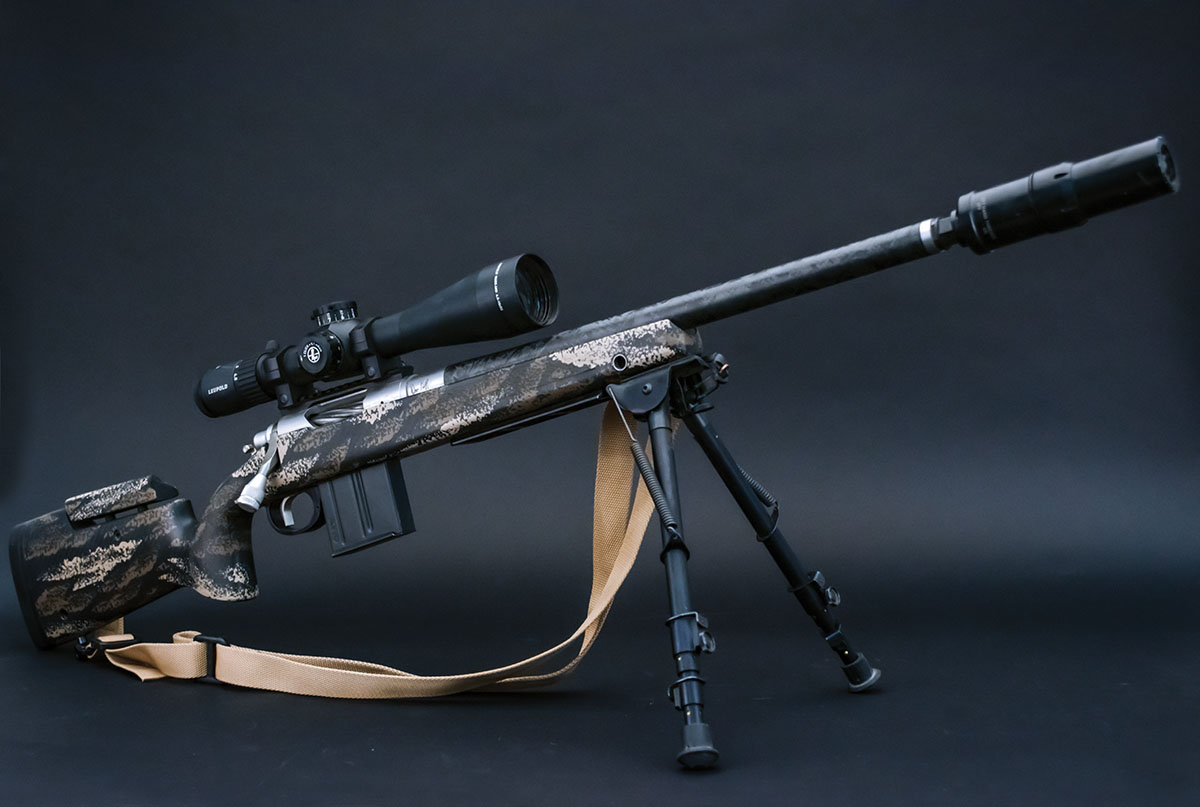
The rifle I chose to go with is a custom bolt gun built by Dave Kiff and Tony Grub of Pacific Tool & Gauge out of White City, Oregon. It uses their Drakkar Action and a spiral-fluted bolt, with a 20-inch Proof Research carbon fiber wrapped barrel with a 1:7 twist rate. While I am a huge proponent of the AR-15 on coyote stands, should a double or triple come in, or if you miss, you have a fast follow-up shot. I settled on the bolt gun due to Hornady providing loads for both gas guns with an MAP (Maximum Average Pressure) of 55,000 PSI as well as loads for bolt guns with a MAP of 65,000 PSI. Again, wanting the most performance possible and wanting to test the cartridge at both pressure levels, either way I would need a bolt gun! In the future, I will absolutely build a gas gun in 22 ARC, and at the time of this writing, it is already in the works, with the lower sitting on my desk.
The rifle in its final form features a Leupold Mark 4 4.5-18x 52mm optic and a Nosler SR-30K suppressor, both of which stay on the rifle and don’t get moved around. There is something to be said for that one rifle that is always ready to roll, and you have plenty of good DOPE (Data On Previous Engagement), as well as plenty of experience. When it comes to anything varmint or predator, this rifle is exactly that to me. I have tested a plethora of different loads as well as countless months in the field with this very rifle.
Field Testing and Evaluation
In the desert country I am accustomed to calling in my home state of Arizona the coyotes follow Bergmann’s rule and tend to run a little smaller than up in Wyoming. This is one of those small considerations to make when hunting coyotes across the country. The coyotes in my home state also seem more mangy and, in my local area, more weary of calls. This also fueled my desire for a cartridge that could reach out a bit further on coyotes for when they hang up at 400 or 500 yards and refuse to commit to the call. If I did my part behind the bolt that would be no problem for this rifle.
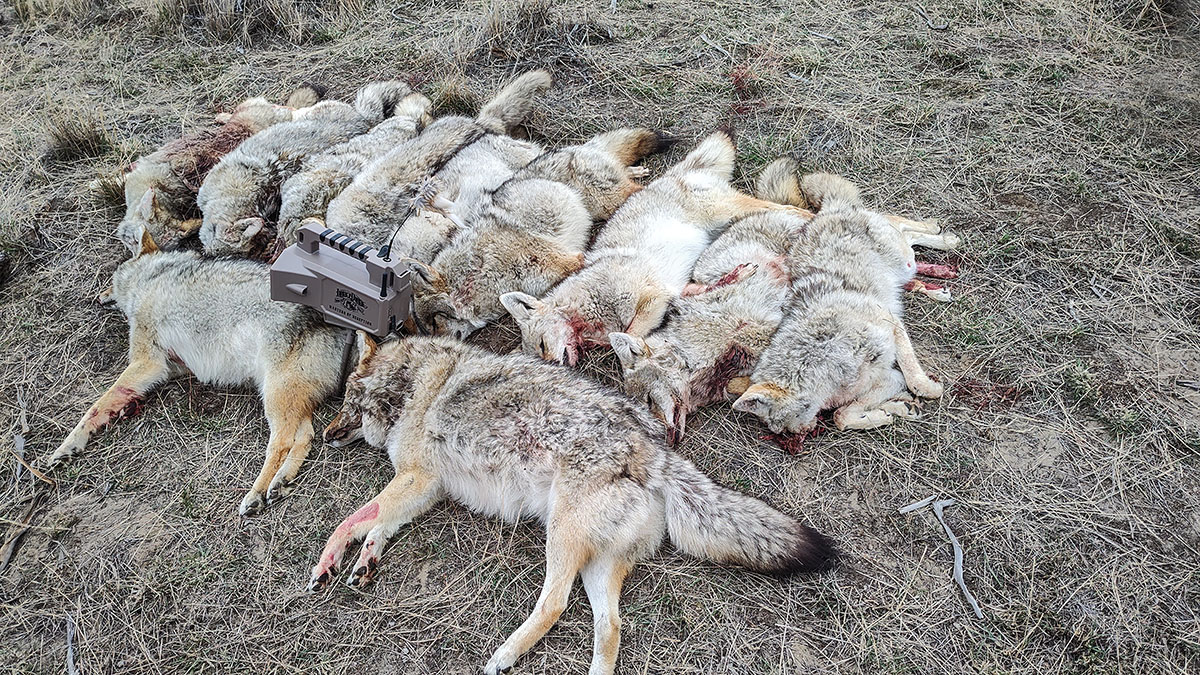
Over the past three years, this rifle has been to Wyoming three times on dedicated varmint hunts, as well as months in the field in my home state. I gave up on carving notches in the side of the stock a long time ago and admit I have lost count of how many coyotes this rifle has taken. Counting all vermin and predators, I would say the number is somewhere near 100, with about half of that being coyotes. Of the coyotes I’ve hit, only one has been unrecoverable, and that was likely in large part due to time restrictions.
This rifle and cartridge combination will no doubt be seeing a lot more use as the coyotes fur up and the first snow falls in my home state. I am probably one of the few guys in Arizona that have a full set of snow camo for just such occasions. It is one of the few times work doesn’t know if I am coming in or not in the morning. There is something special about chasing desert coyotes in the snow; it gets them moving and more active than ever, all while providing a beautiful backdrop. Paired with a solemn silence that only the snow can seem to bring to the high desert country where the song dog and I reside. It is under these conditions that I do favor a bolt gun, as I have had ARs freeze up on me and on the short notice, the desert provides for such weather. I rarely remember to remove the lube and replace it with something more suitable for sub-freezing temps. I can’t say for sure if this rifle will be my permanent setup, but I can say it is the best setup I have had so far on coyotes from a ballistics, performance and efficiency standpoint.
Terminal Performance, Ballistics & Handloading
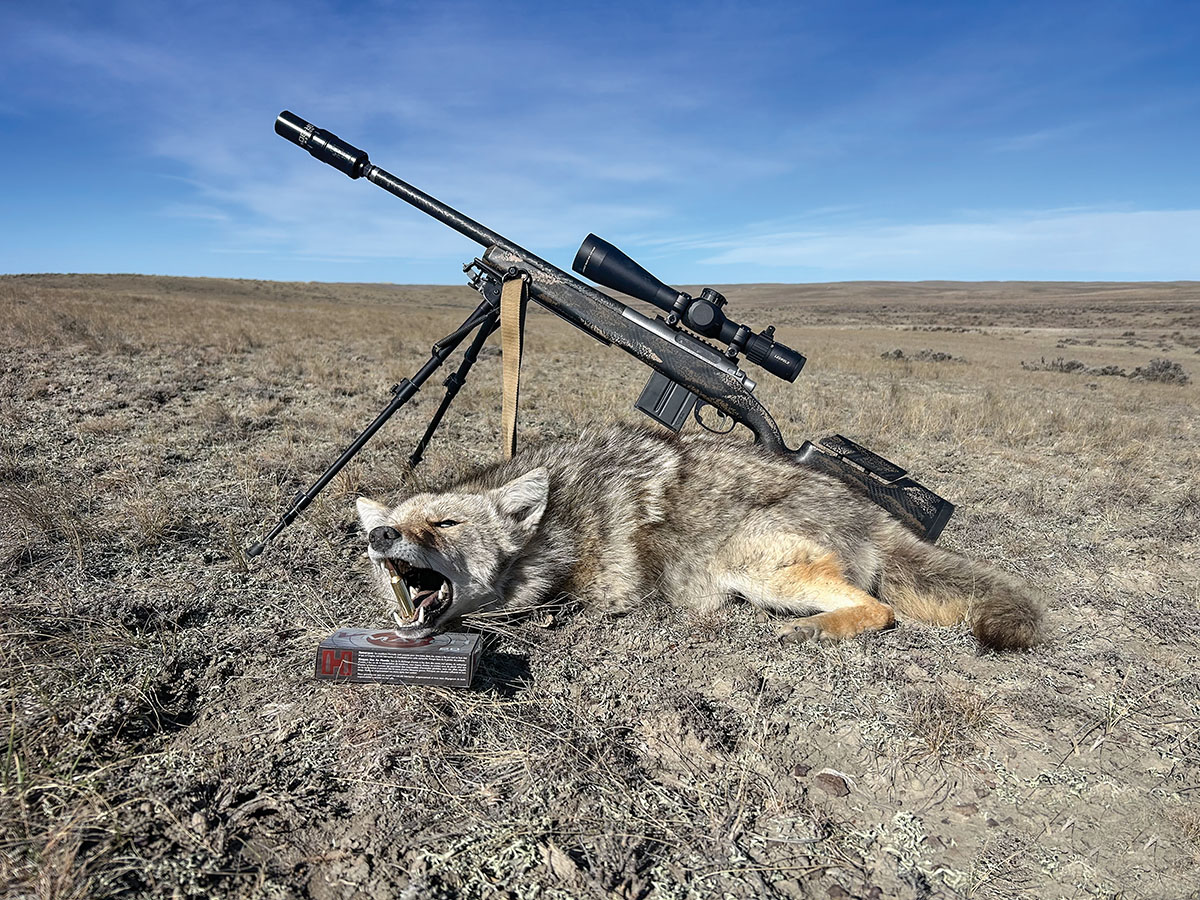
Another go-to bullet of mine in the 5.56 NATO is the 75-grain Hornady BTHP. I have shot a lot of coyotes with this bullet, and while it doesn’t offer peak performance in the 22 ARC, there’s a noticeable gain compared to the 5.56 NATO. This also was the bullet I recently ran in Wyoming with Hornady and Heart Spear Outfitters. This rifle likes these bullets, and I have found them relatively easy to work up a load for, as they are rather forgiving when it comes to seating depth. Terminal performance is always good and they will drop a coyote in its tracks and will rapidly expand even at low velocity despite being marketed as a match bullet.
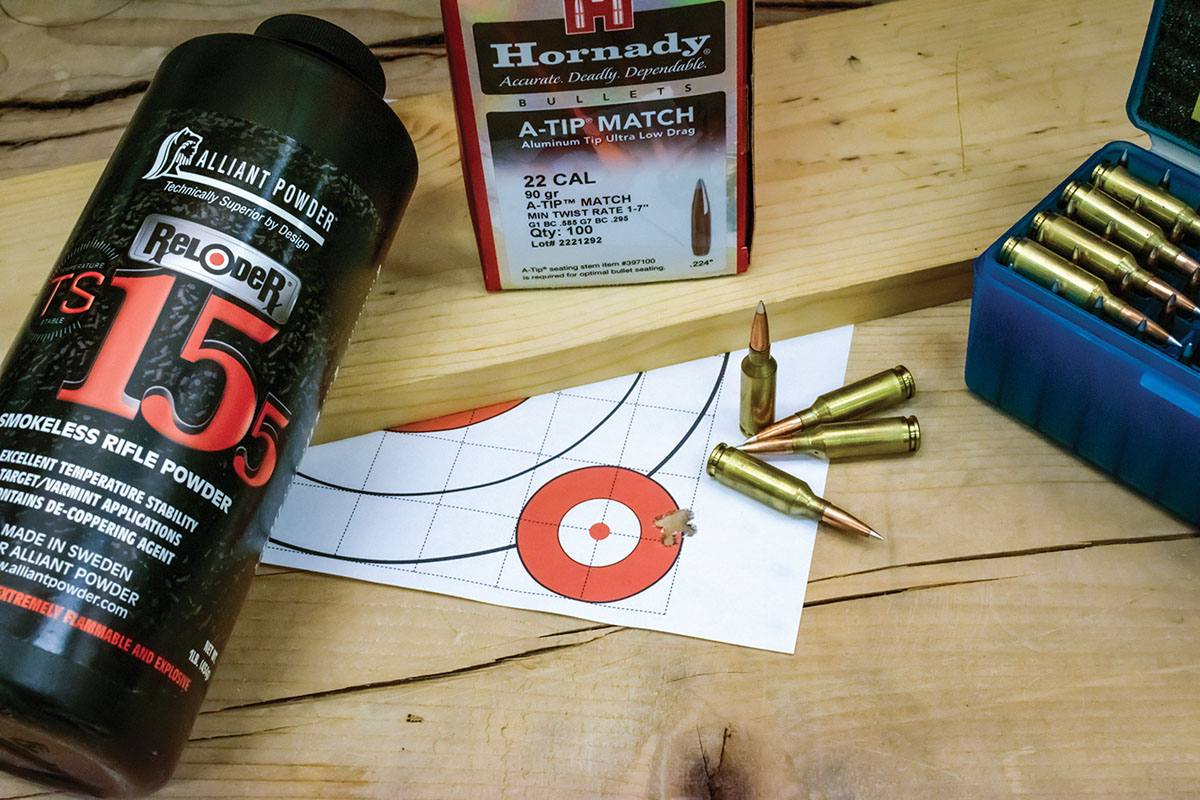
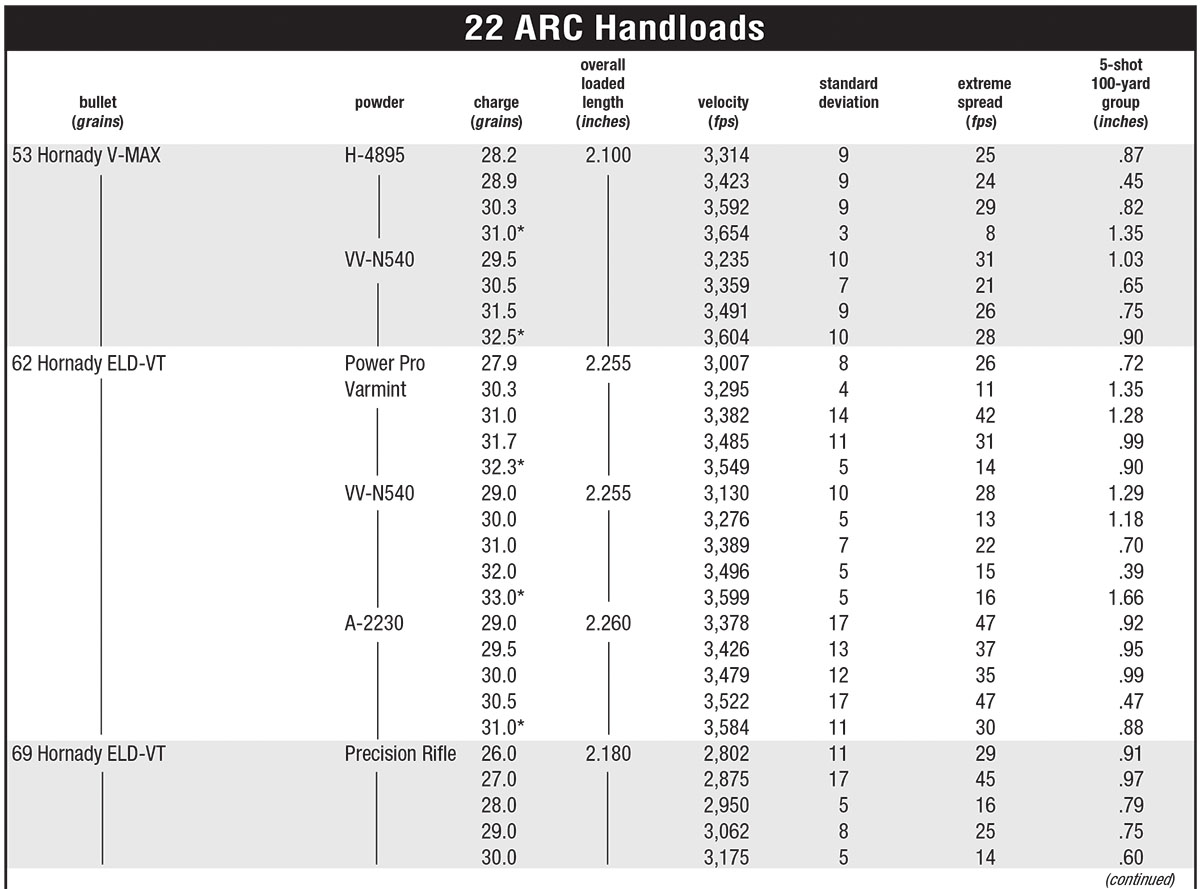
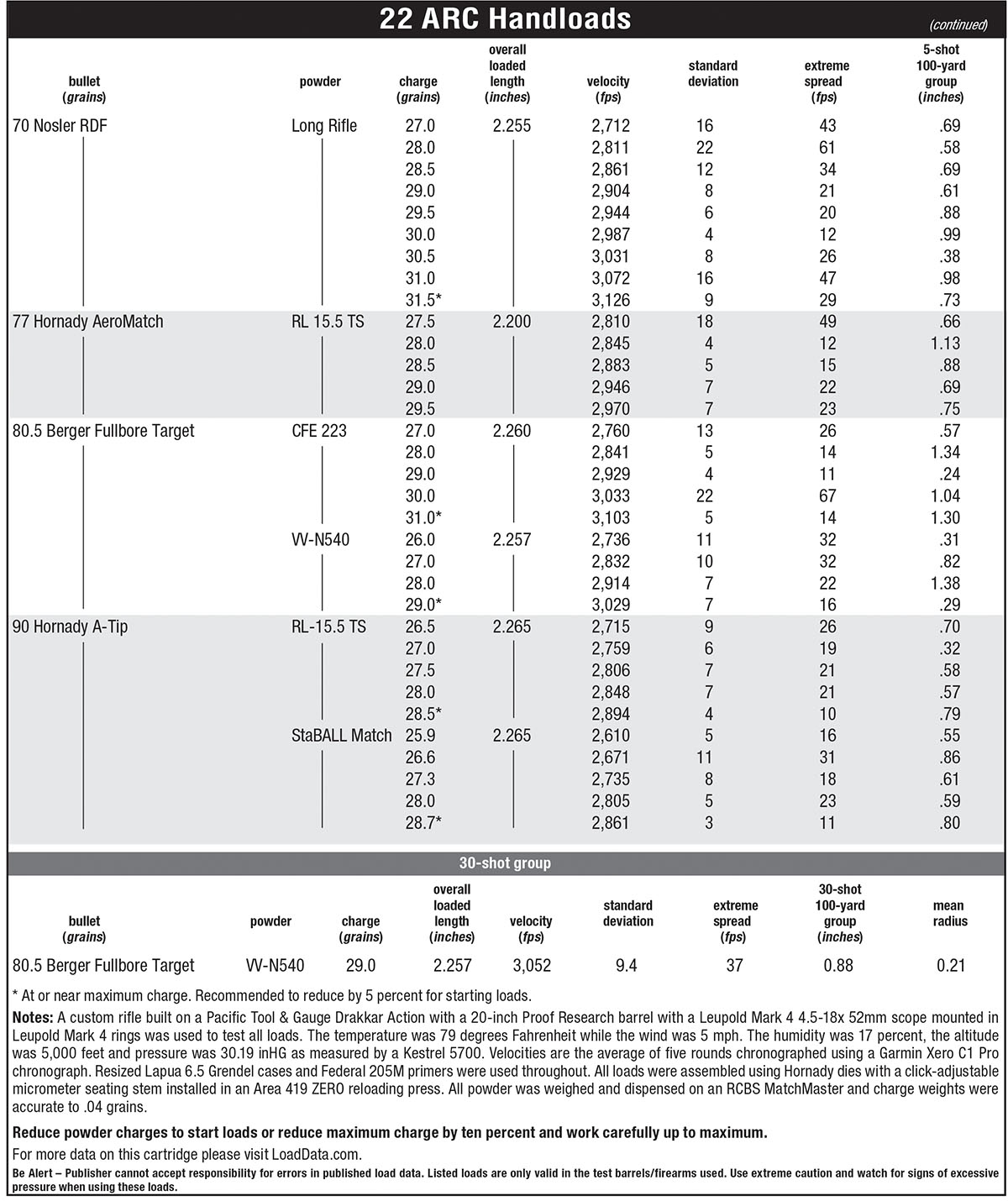
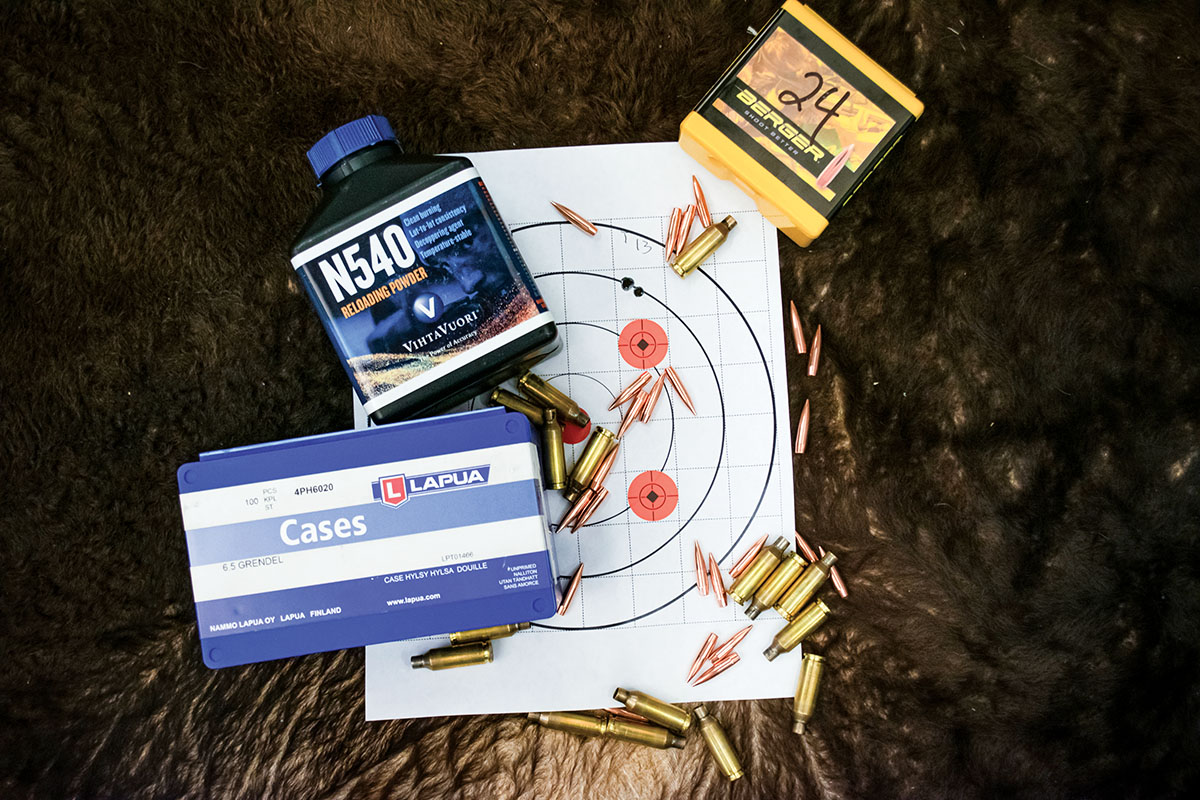
When it comes to handloading the 22 ARC, the process is as simple as ever thanks to Hornady standardizing it; other companies have quickly jumped on board with Alpha Munitions, Peterson Cartridge, Starline and others making brass. Reloading dies are readily available from Hornady, RCBS, Redding and others. Comparing this to the 22 Grendel wildcat cartridge, there are more options now than ever and better bullets more suited to this cartridge and, perhaps more importantly, its velocity. Which I am sure is a major contributing factor in the terminal performance of the ELD-VT bullets from Hornady. Impact Velocity is everything when it comes to bullet performance and expansion. At the time of this writing, I have shot about 5,000 rounds of handloaded ammunition and about 400 rounds of factory ammunition. Handloading fuels my addiction to shooting and hunting and is reflected in that round count. Not all of that has been through my personal rifle but my best guess is a little over half that is the current round count on this rifle.
Coyote Tactics
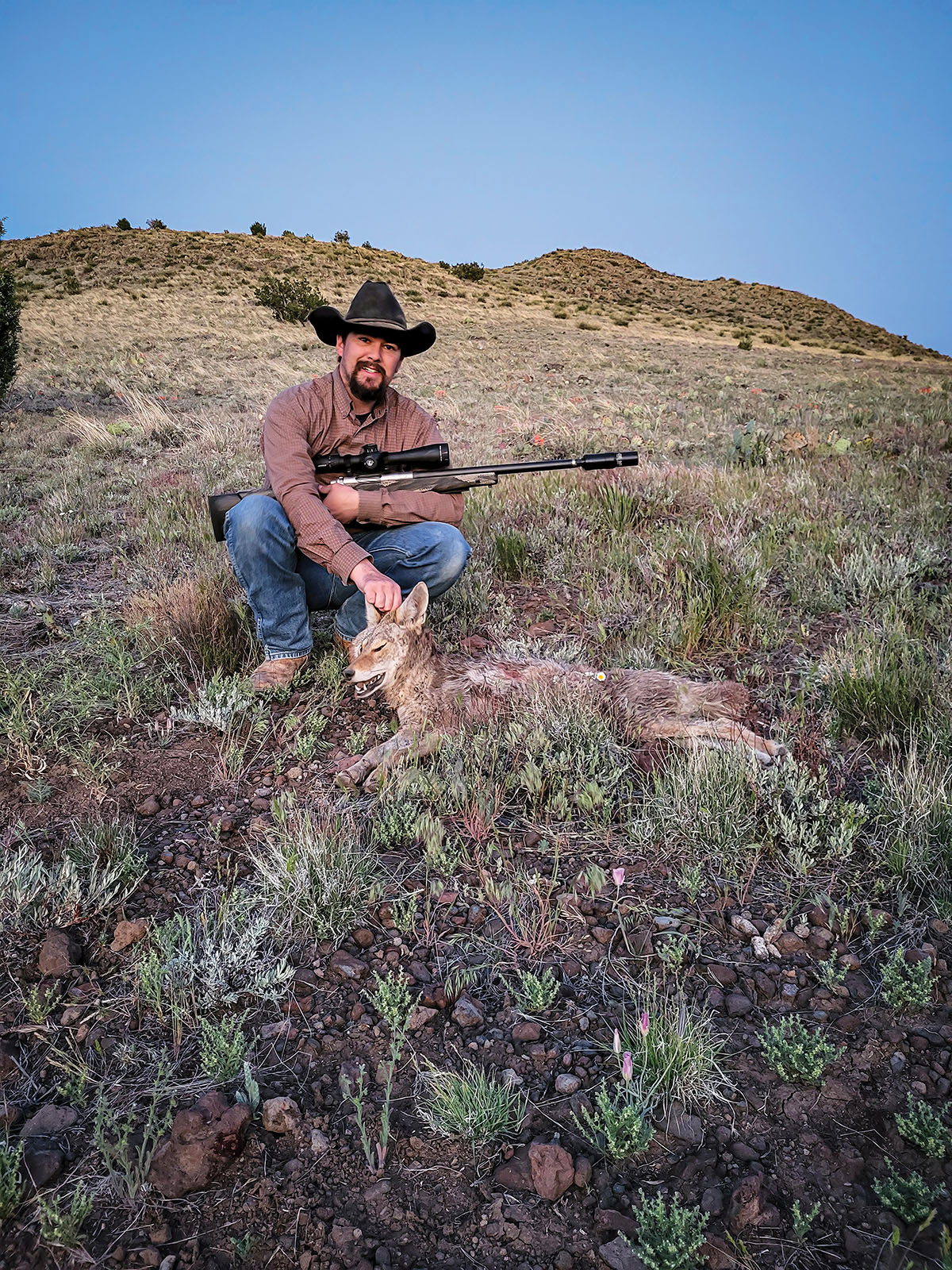
Geoff, was extremely aggressive and when it comes to coyotes, he is very much so a numbers and odds guy. His strategies revolved around his odds; most coyotes will come in within the first 15-20 minutes. If they don’t, he’d rather run more stands than wait another half hour hoping a weary dog comes in, wasting precious time that could be put to use in a better area with higher densities of coyotes. Of course, playing the wind and terrain is also a critical factor and more of an art than a science. Most of the setups were quick, easy and fast-paced. The dogs came in quick and Geoff would shoot equally quick. It is notable that he was shooting a custom GA Precision AR chambered in 22 ARC with the Hornady V-Match ammunition. It proved more than effective.
Kelly Glause had the home field advantage and it certainly showed in his setups he would drive a little further and walk a little further to get into good country where he knew the coyotes would be. This is a skill certainly built over time and something that he and my grandfather have in common. Seemingly able to predict where and when the coyotes would be, A lot of folks don’t like calling around their known areas but if done right, it is certainly an advantage over calling unknown country. Time in the field is never wasted and there are always lessons to be learned for those who put in the time and effort. Kelly, kept the stands simple and was patient with setups being about 30-35 minutes and we shot a lot of dogs together. Kody Glause was equally at home in this part of the country, knowing where the coyotes would be and spent time scanning the horizon with his binos, seeing the coyotes come in long before they saw us. This gave us plenty of time to get ready if need be. We did not have many coyotes hang up, but if they did, Kody spotted them. This gave us an opportunity when others may have completely missed it.
Closing Thoughts
All in all I have enjoyed every minute of the time spent in the field with good friends and this rifle and cartridge combination. The 22 ARC is a high-performance cartridge while still remaining extremely efficient. It burns less powder than my 22-250 Rem, can handle long, heavy, high-BC bullets to help buck the wind, and fits in an AR-15 or a Howa mini action. The terminal performance is outstanding, with velocity in a sweet spot, with heavy bullets capable of being pushed to about 3,000 FPS. It offers a plethora of outstanding options when it comes to bullet selection in the .22 caliber. The rifle balances nicely thanks to the short Nosler SR-30K suppressor and has built-in Arca for tripod use, if desired. Primarily, I use a tripod when hunting at night and a tried-and-true Harris Engineering bi-pod that is long enough for use in the seated position when hunting during the day.