CZ 600 Alpha
Top Dog in 223 Remington?
feature By: Lowell Strauss | November, 26
Conventional wisdom says lightweight varmint bullets and fast twist barrels don’t play well together. Push fragile bullets too fast, and groups open, or worse, the bullet itself can tear apart in flight. After all, most varmint bullets rely on thin jackets for rapid expansion. So, when CZ released the 1:7-twist 600 Alpha in 223 Remington, I wanted to find out how much truth there was to the warning.
The rifle itself makes an interesting test platform. The CZ 600 Alpha is the synthetic-stock workhorse of the 600-series line. Unlike the other CZ 600 223 Remington models, the Alpha uses a fast-twist barrel designed around modern heavy-for-caliber bullets. It’s a hybrid platform, part precision rifle, part hunting rig. I like hunting and ringing steel in the off-season. Both make me happy, and hopefully, this rifle can too.
On paper, a fast-twist setup makes a lot of sense. It stabilizes heavy .22-caliber bullets in the 69-grain class and above, projectiles with higher ballistic coefficients. They buck wind better, retain energy farther, and extend the practical reach of the 223 Remington. Faster twist rates also help stabilize longer lead-free bullets, which are becoming increasingly common in hunting loads.
The trade-off is that most factory varmint ammunition still centers around lightweight bullets designed
for traditional twist rates. This naturally raises the question: how well does the Alpha handle the lightweight bullets that made the 223 Remington famous?
Of course, barrel twist alone does not make an accurate varmint rifle. The rest of the platform matters just as much, and this is where the CZ 600 Alpha starts to stand out. Its fiber-reinforced polymer stock is rigid and precisely fitted. Unlike many injection-molded
stocks that contact the barrel under bipod pressure, the Alpha maintains consistent clearance throughout the barrel channel. I’ve handled enough polymer-stocked rifles to know that level of stock-to-barrel fit is uncommon in today’s factory rifles.
I appreciate the slim, tapered forend, deep pistol grip and straight comb. It feels natural, as if they were designed for comfort. One complaint is the hollow buttstock, which changes the balance, making it front-heavy. Adding some weight inside the hollow cavity would fix that problem. It’s a mental difference, but I find a well-balanced rifle feels lighter and is easier to shoot well. While CZ doesn’t call it such, the Alpha’s stock shape is reminiscent of an aftermarket varmint stock. It rests nicely on a bag when shooting from the bench, and the taper from the inlet behind the pistol grip to the recoil pad allows elevation adjustments using the rear bag.
CZ uses a 3-lug bolt on this 223 Remington, giving the rifle a 60-degree bolt throw for faster cycling and improved scope clearance. My knuckles thank them. The oversized bolt knob is nice when running the action quickly, in a target-rich varmint pasture. In the safe position, the bolt locks closed. I’ve lost count of how many times my Remington 700 bolt has snagged open while hiking, spilling cartridges into the snow. CZ clearly prioritized practical field handling in the Alpha’s design.
Other safety features include a spring-loaded release button that allows the bolt to be removed without touching the trigger. The cocking indicator provides a quick visual and tactile check of the rifle’s status.
The Alpha uses a patented vertical tang safety that’s more intuitive than traditional designs. Pushing the safety upward engages it; pushing downward allows it to fire. A visible white ring visually confirms safety on. It is simple, fast and easy to verify in the field.
Reliable feeding is a non-negotiable in a varmint rifle because we all have more important things to do than fumble with loading and extracting rounds. The Alpha’s controlled feed [with a short extractor] inherits the reliability of traditional controlled-round feed rifles and the benefits of a modern design. Simply put, it prevents double feeds when working the bolt fast and adds reliability. Working in unison, the Alpha strips rounds from the magazine, feeds them into the chamber, and extracts empty cases flawlessly. For the handloader, a strong ejector may sound like a drawback, but only when you pull the bolt back aggressively. Do it slowly, and the brass pops into your hand ready for inspection, and the next reload.
Unlike many traditional hunting rifles with drilled-and-tapped receivers, the CZ 600 Alpha ships with an integrated Picatinny rail machined directly into its aluminum receiver. Anyone who has dealt with loose scope bases in the field will appreciate the simplicity of this setup. Troubleshooting a wandering zero can be narrowed down quickly because there are fewer variables to worry about. I check the scope ring screw torque before heading into the field, and I’m good to go.
For optics, I paired the rifle with a Zeiss Conquest V4 6-24x 50mm featuring the No. 89 MOA reticle with 1-MOA windage and elevation subtensions. ZEISS’s Ballistic Stop system provides a positive and repeatable return to zero after dialing elevation. Because varmints can appear at any distance, a side parallax adjustment knob that adjusts from about 10 yards to infinity makes the Conquest suited to the hunt. The Zeiss delivers a sharp image through the mirage of midday and the low light of dawn and dusk. I found the reticle is detailed but not too busy, making hold-offs
intuitive. While 24x magnification may seem like too much, I find it valuable, especially when shooting small ground squirrels, when only part of the critter is visible, peeking out of a burrow.
Magazines are often the weak point of modern rifles, but the Alpha’s detachable polymer magazine works exceptionally well. Loading is smooth both by hand and through the action. More importantly, the magazine can be locked in place, temporarily converting the rifle into a fixed-magazine setup. That feature makes more sense than it sounds. I have lost detachable magazines in snow, grass and mud over
the years, and digging through a field looking for one gets old quickly.
Good marksmanship starts with a quality trigger, and the CZ 600’s adjustable single-stage unit is excellent for a factory rifle. Pull weight can be adjusted from 1.3 to 3 pounds in four settings without removing the action from the stock. My rifle consistently measured 1.75 pounds in its No. 2 position on a Wheeler Engineering trigger gauge. More importantly, the trigger breaks cleanly, with virtually no creep or noticeable uptake, qualities rarely found in factory hunting rifles.
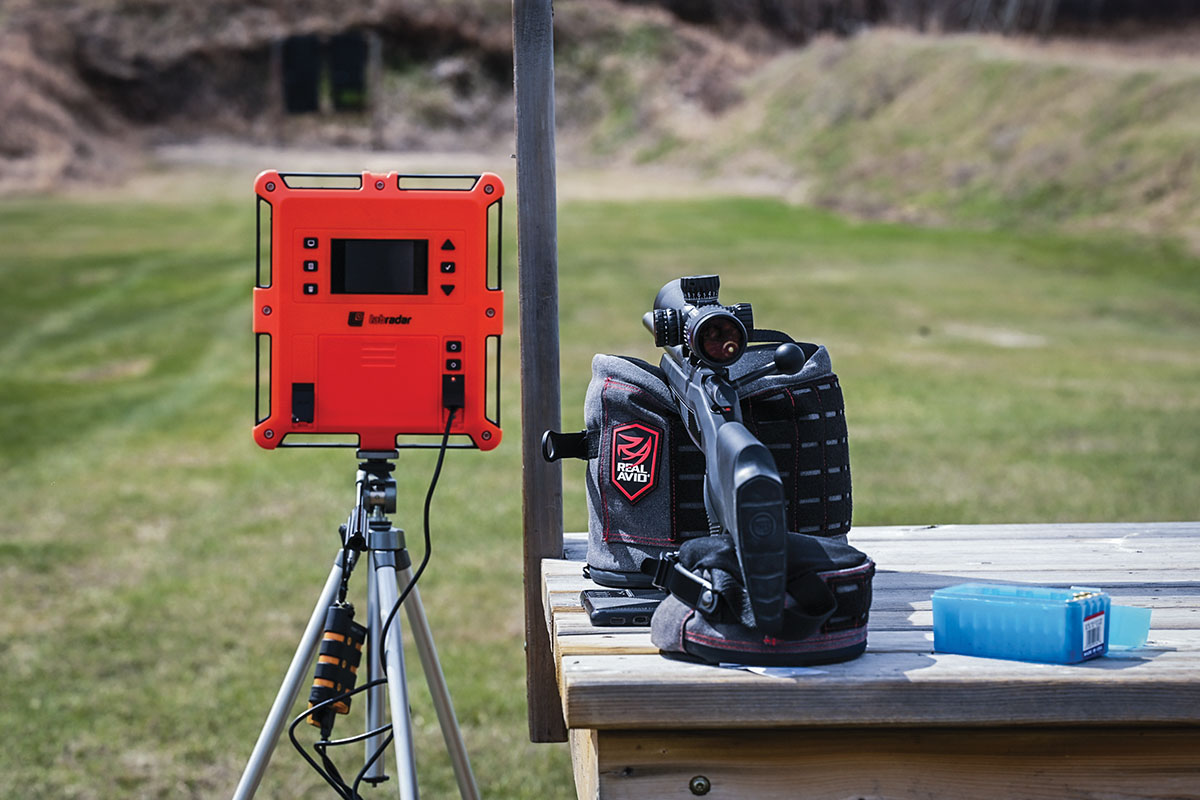
The semi-heavy, cold-hammer-forged barrel strikes a practical balance between portability, precision and performance. My LabRadar chronograph confirmed factory and handloads often exceeded the advertised velocity from the 24-inch barrel. It measures .9 inch at the receiver and .74 inch at the muzzle. Although the rifle has the feel of a heavier target setup, the
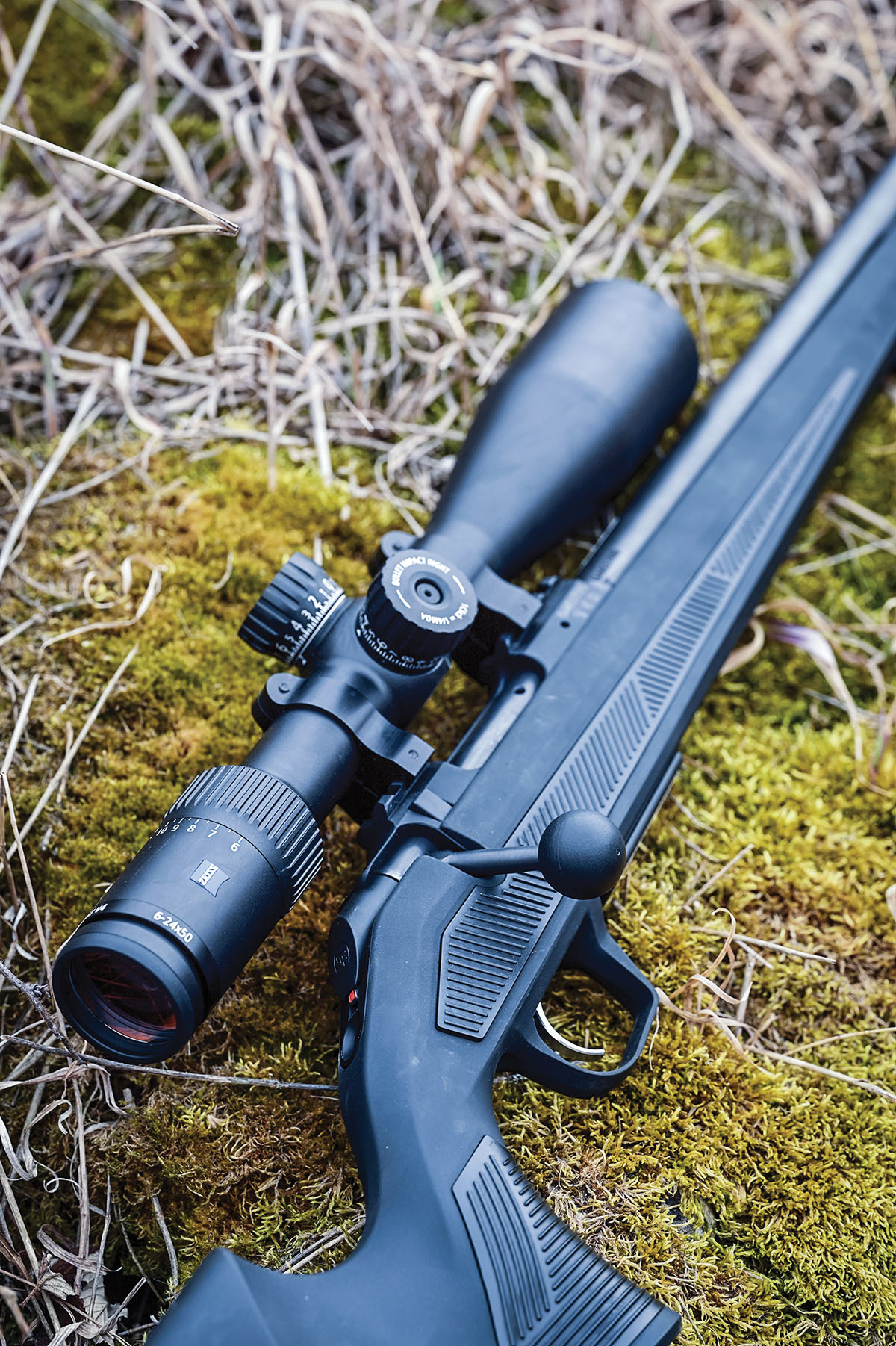
complete package weighs only 8 pounds, 2 ounces, thanks to the short action and polymer stock.
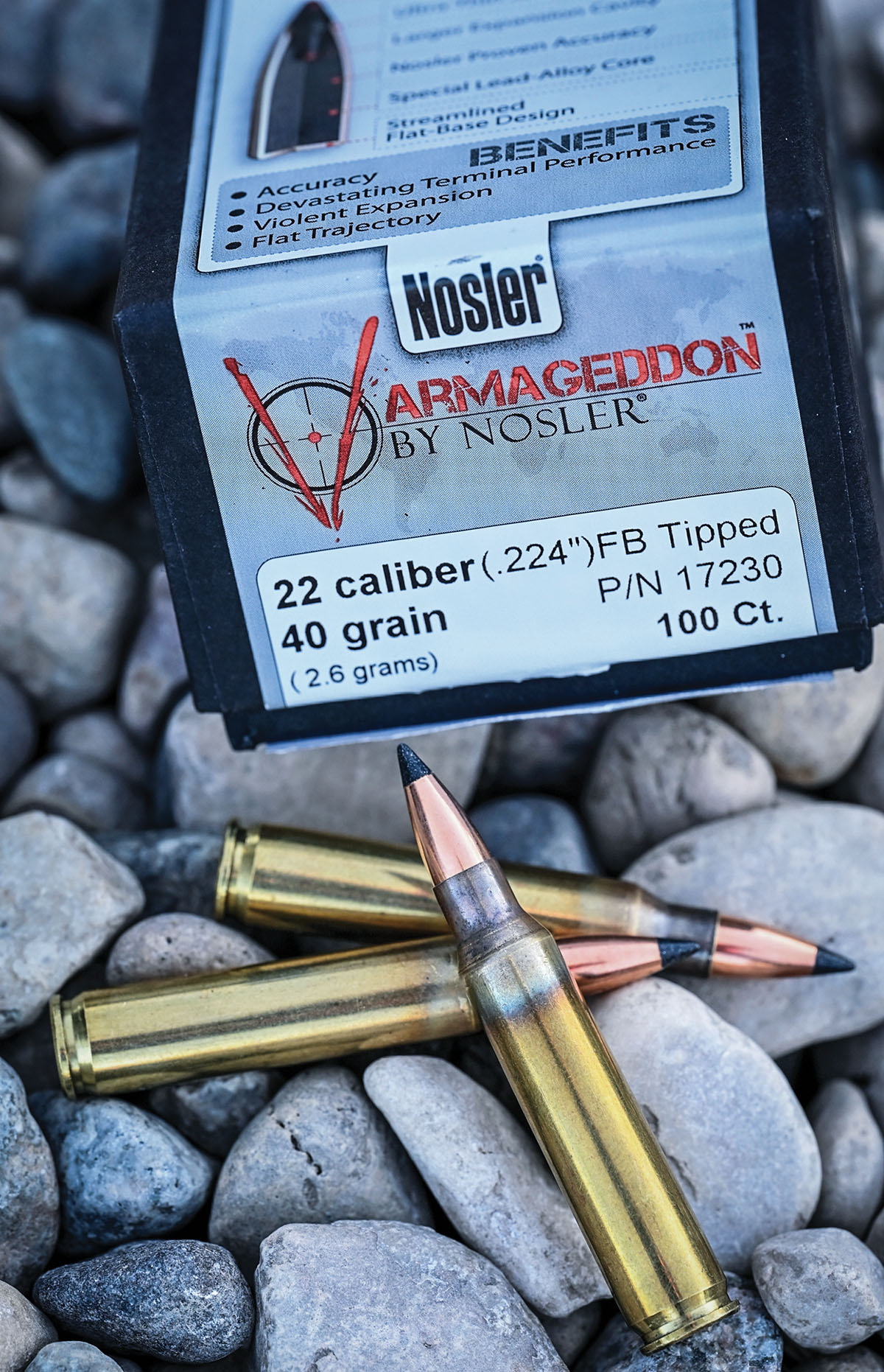
In my books, any varmint rifle in 223 Remington is a good choice. Even when ammo is in short supply, I find 223 Remington ammo on the shelf of the local stores. Because of its popularity, companies like Winchester and Federal Ammunition sell 40- or 50-round boxes of jacketed hollowpoint (JHP) ammunition for varmint hunters. A deal if your rifle likes them. This ammo becomes a cheap source of brass; however, don’t expect the quality of bulk ammo brass to be amazing. If my goal is getting good brass from factory fodder, I choose loads like Nosler’s Varmageddon ammo, which uses a Nosler case and bullet.
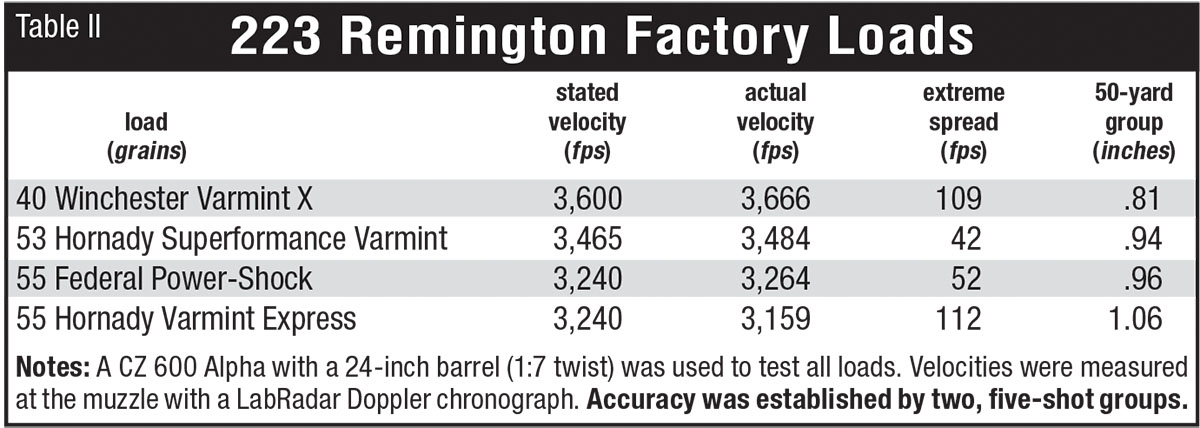
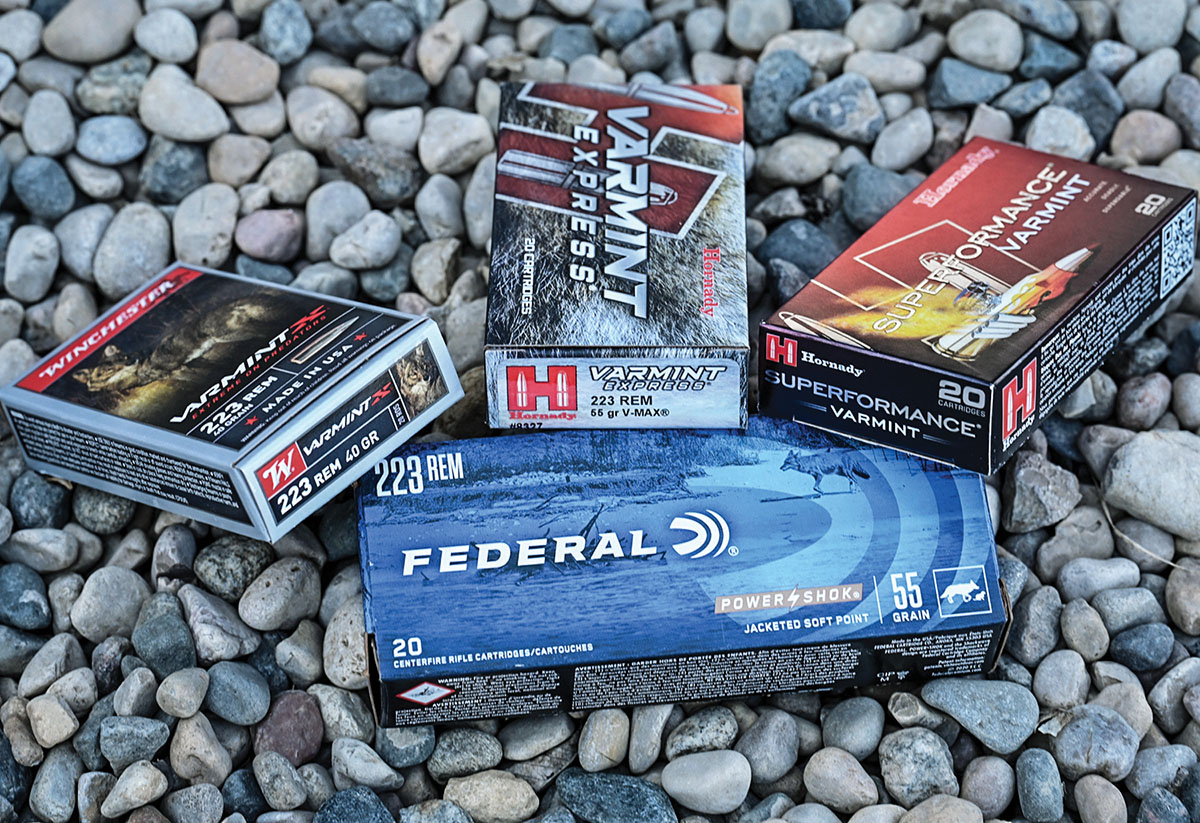
I selected four factory varmint loads to test off-the-shelf accuracy: Federal PowerShok 55-grain JSP, Hornady Superformance Varmint 53-grain V-Max, Hornady Varmint Express 55-grain V-Max and Winchester Varmint X 40-grain. My accuracy testing results surprised me. The Winchester load (with the lightest bullet) produced the best group of .81, closely followed by Hornady Superformance .94, Federal .96 and Hornady Varmint Express 1.06.
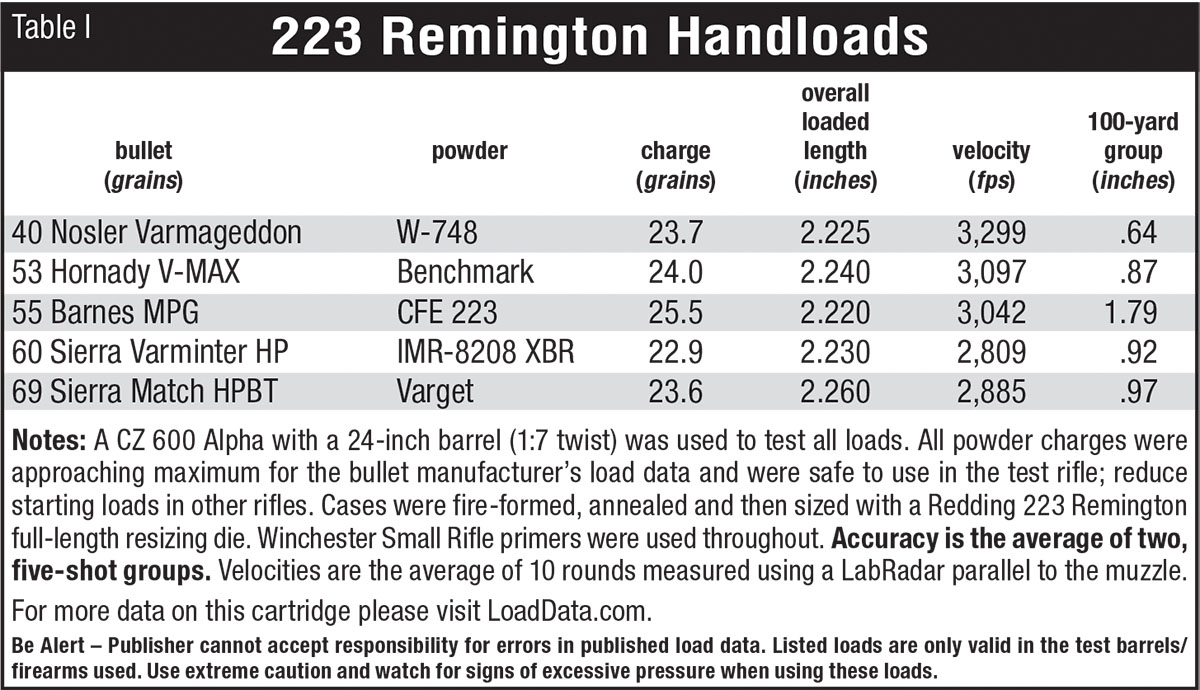
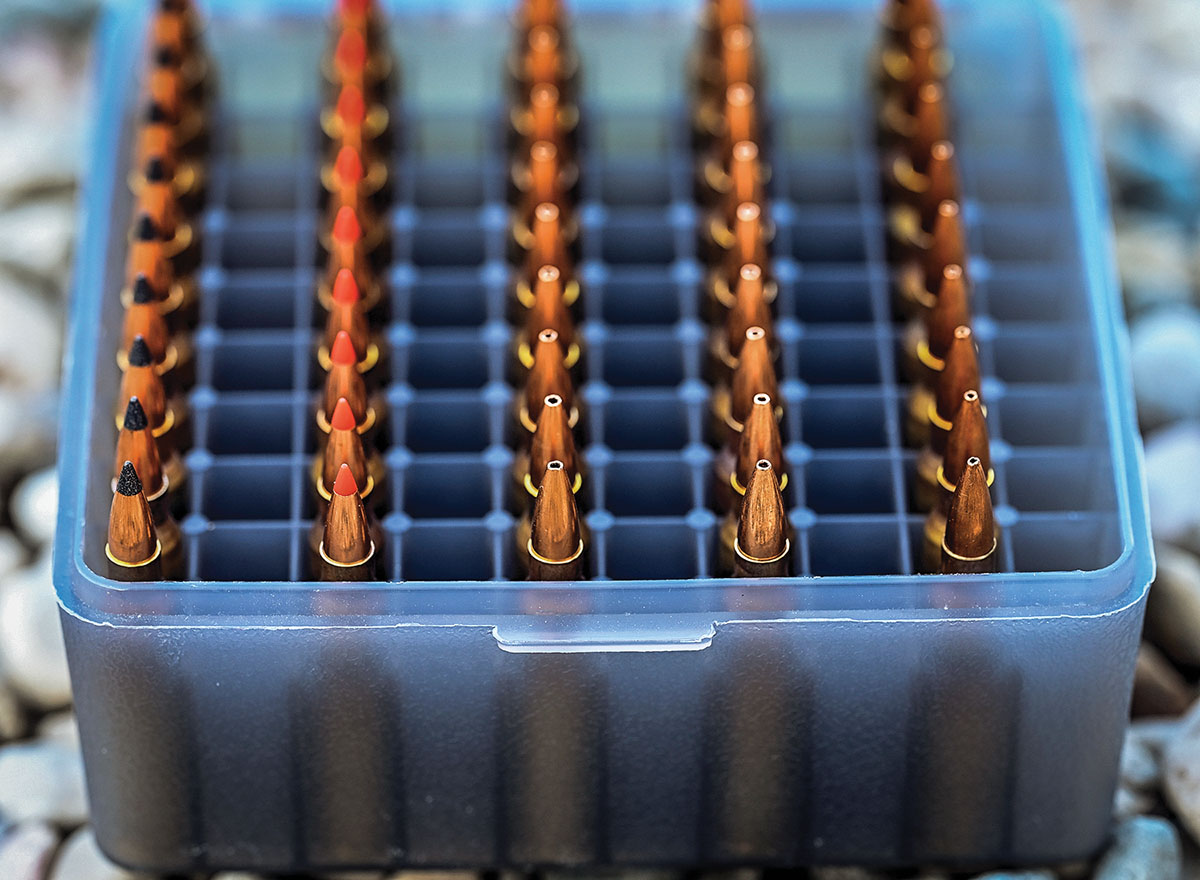
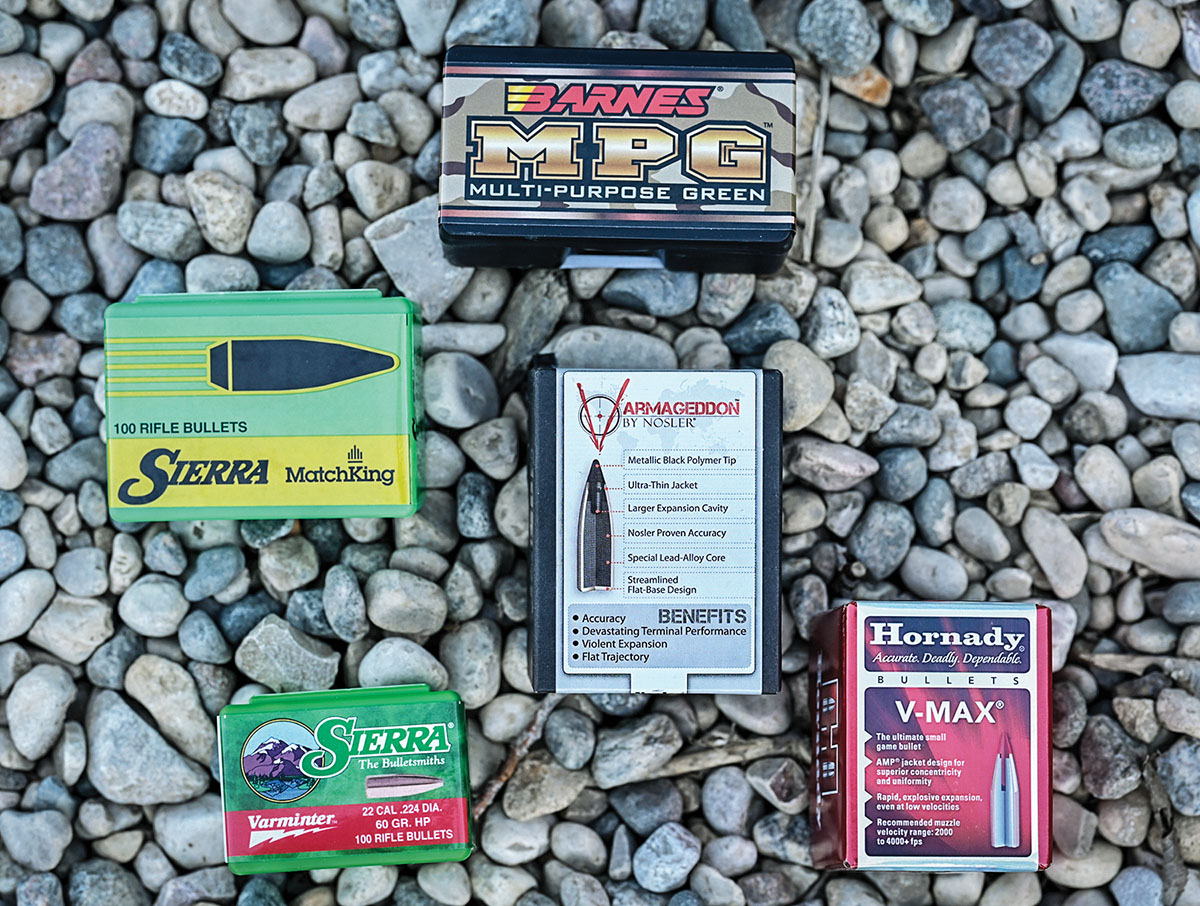
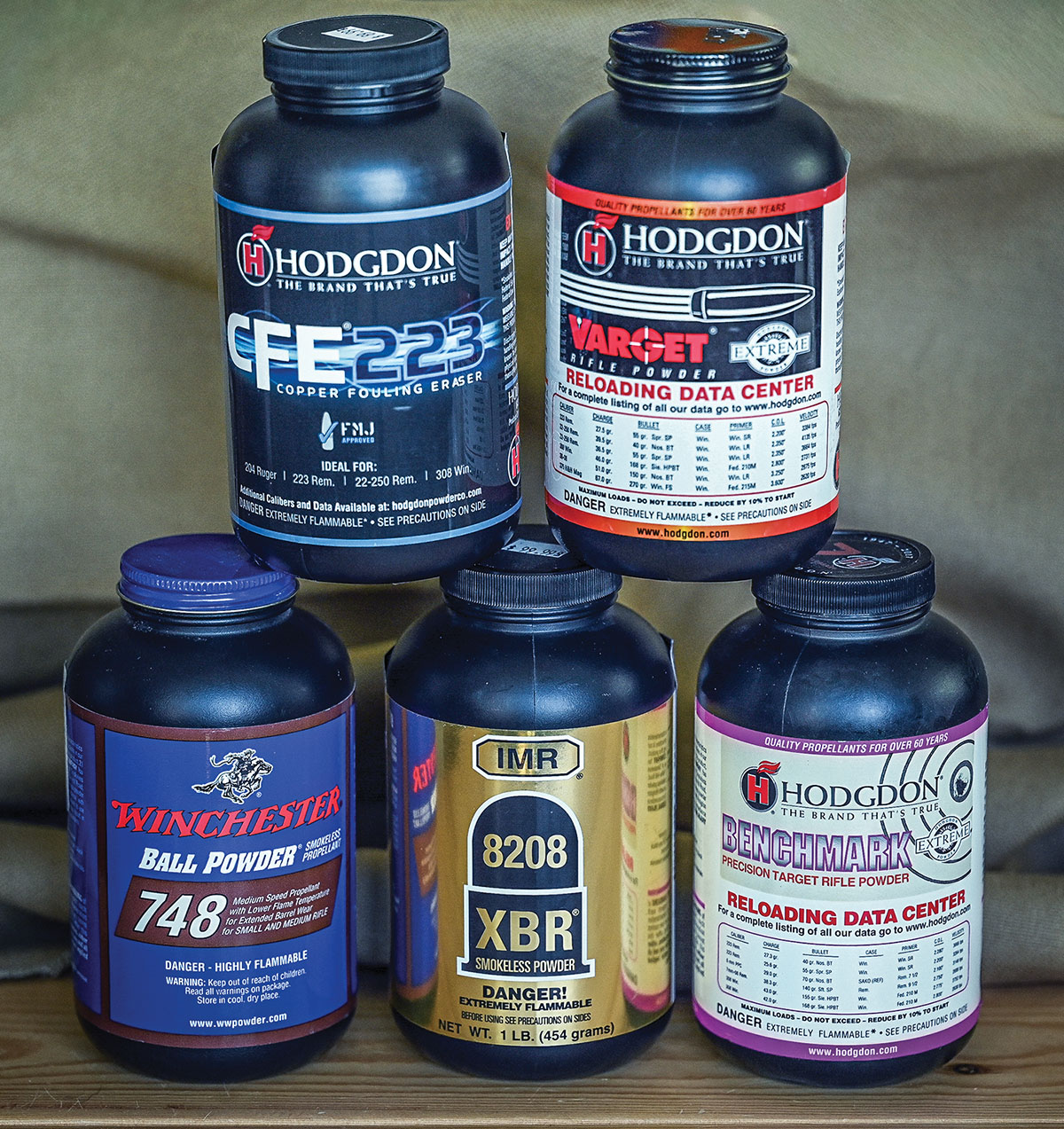
While at the gun shop, I picked out five bullet options, weighing 40 to 69 grains. Normally, when working up a load, I pick one bullet and one powder that match my velocity expectations and terminal ballistic goals and then vary the charge weight. However, my objective for this project was different. I wanted to determine which bullet weights produced an acceptable group without the problems associated with overspinning, including jacket integrity, group consistency, velocity effects and practical field accuracy. I started with a recommended or reduced load to narrow down the bullets and powder combinations. This was my “coarse knob” adjustment. When bullets showed promise, I continued fine-tuning the charge weights, which, I know, for us handloaders, is a never-ending process. Some bullet manufacturers indicate accuracy loads in their data. In the case of Sierra and Nosler, I used the suggested power and load as a starting point and was pleased by the results.
True varmint bullets from most manufacturers top out at 69 grains. On the Sierra website, a 69-grain Tipped VarmintKing is the heaviest varmint bullet. It has a G1 BC of .357 and should be capable of some true long-range performance. I substituted the Sierra
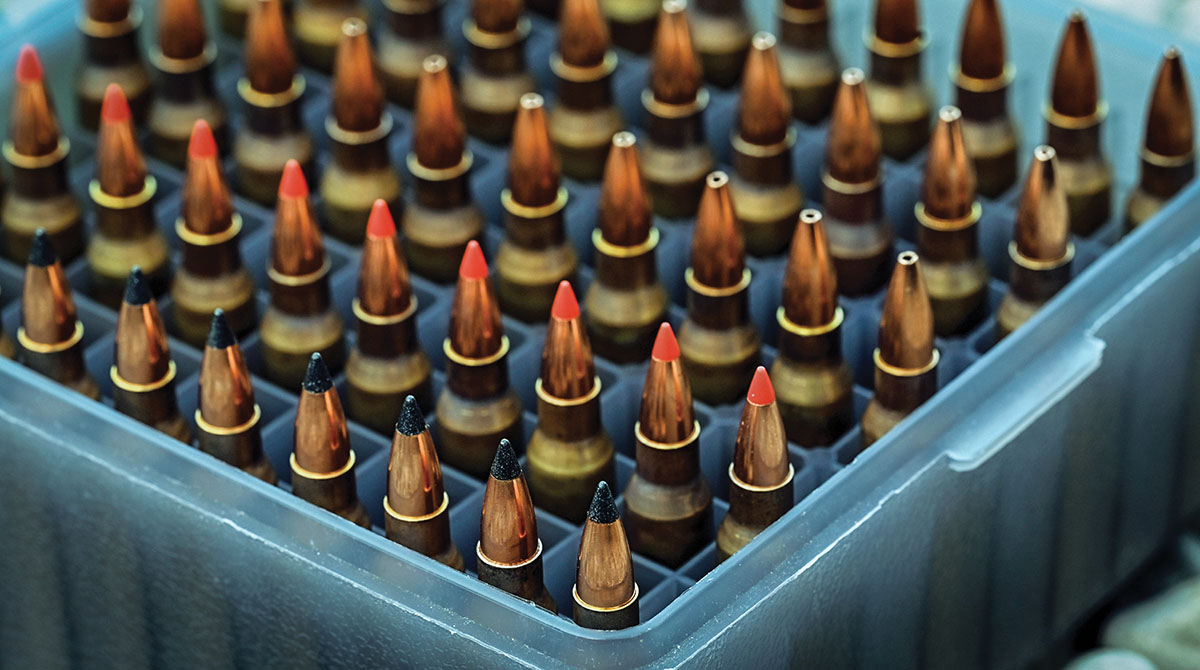
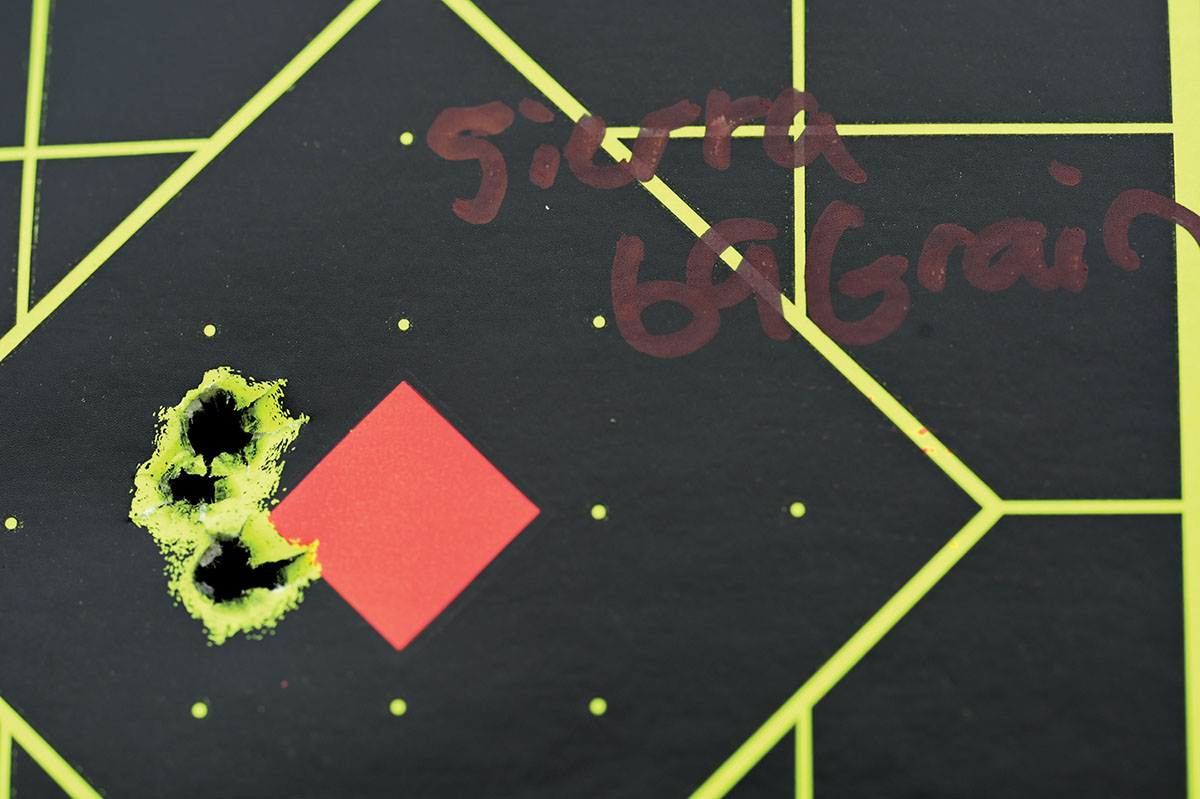
69-grain HPBT MatchKing bullet with a G1 BC of .341 as a proxy for testing. MatchKing bullets are commonly used for varmint hunting; however, according to Sierra, the MatchKing bullet design does not provide the same reliable explosive expansion as its VarmintKing and other light-jacketed counterparts. By the numbers, Hornady’s new sleek 69-grain ELD-VT with G1 BC of .424 may be an awesome heavyweight performer; something for a future handloading project. Stepping down to a 60-grain bullet, I chose Sierra’s 60-grain HP VarmintKing – formerly Varminter. Barnes 55-grain MPG (Multi-Purpose Green) is a bit of an anomaly. Because of its powdered-metal copper-tin core inside
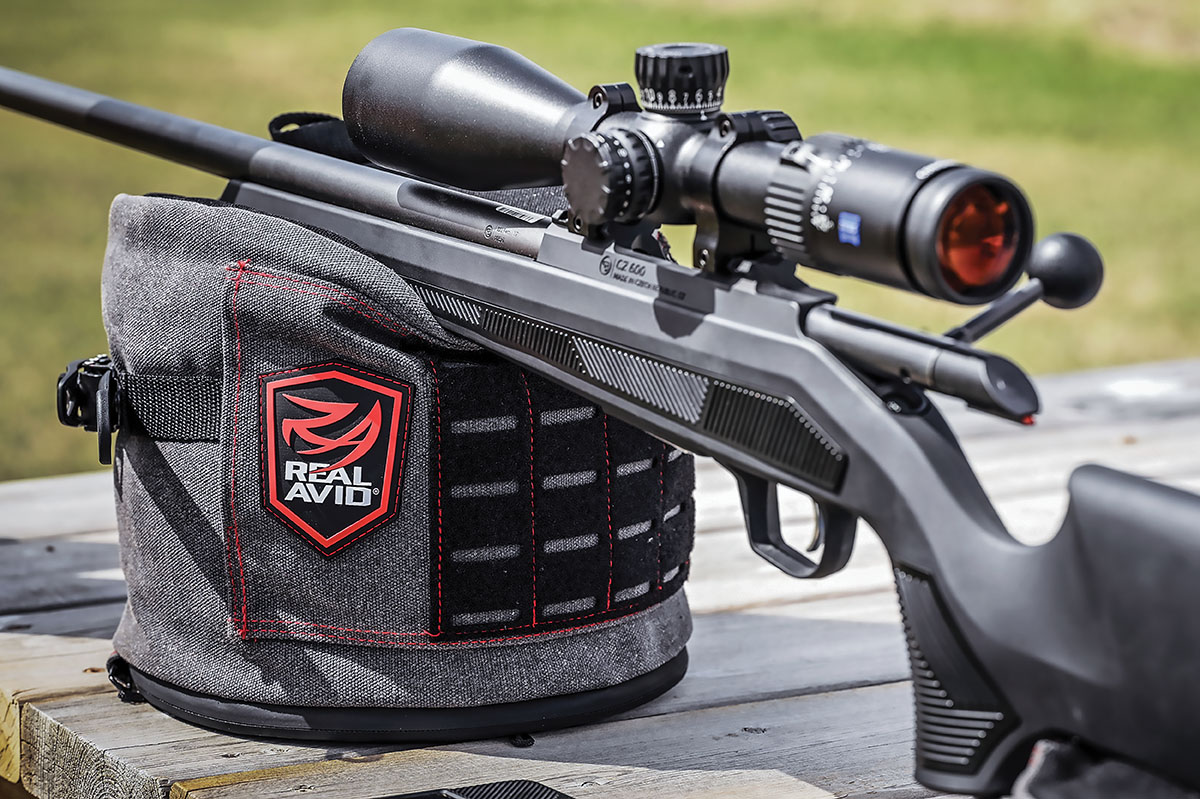
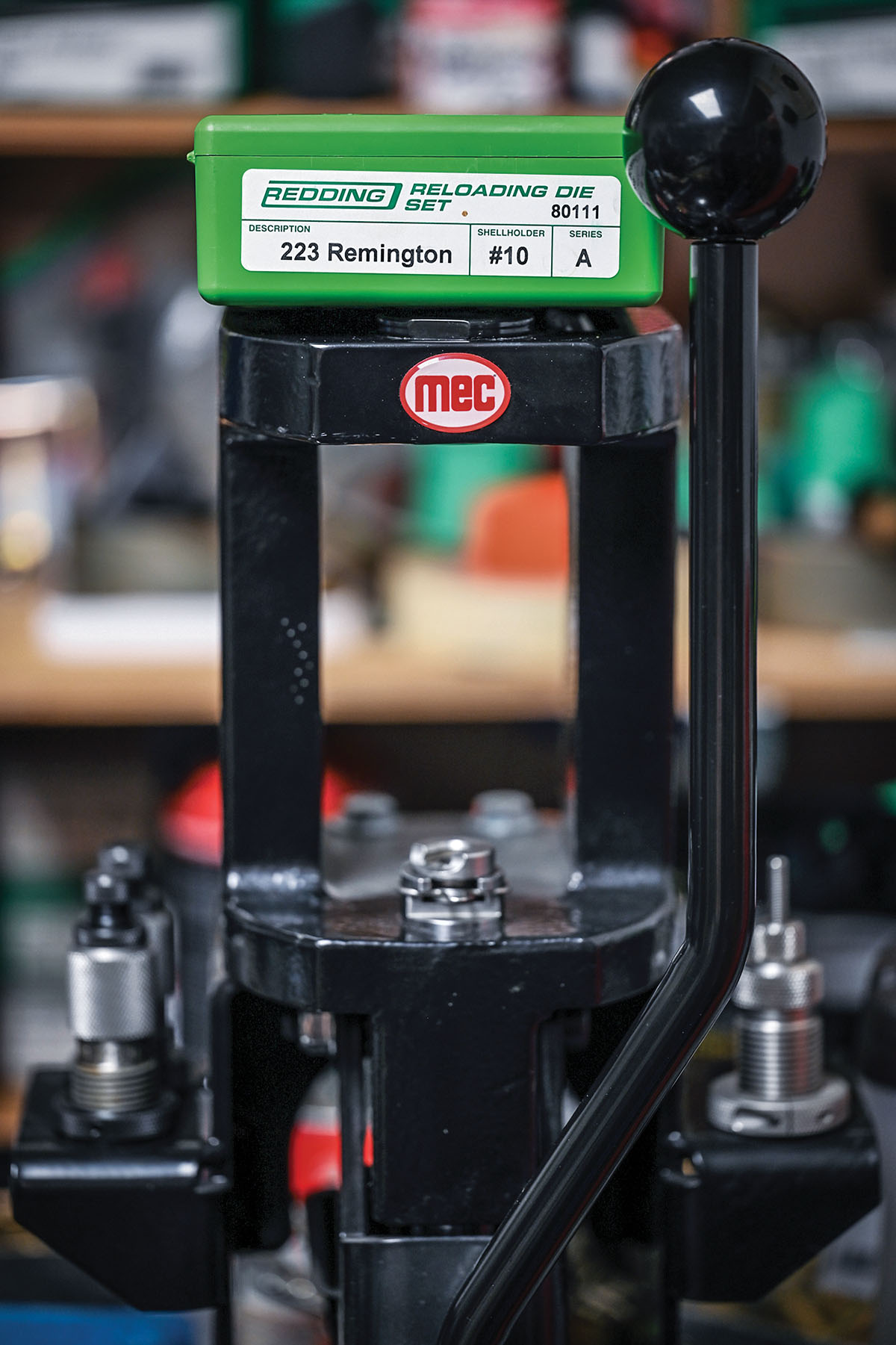
For load testing, I started with fire-formed Federal brass. I’ve found annealing improves neck tension, so each case was annealed with an AMP annealer before full-length sizing. Shoulders were bumped .002 to minimize working the brass. I used standard Redding full-length dies and a MEC Marksman single-stage press. Because I was using multiple powders and bullets for testing, I hand-weighed each using an RCBS 10-10 scale. Once I settled on a load, I switched to the RCBS Matchmaster Powder Dispenser for high-volume reloading. At the bench, the Real Avid Ratchet Rest provided the rock-solid support needed for accuracy testing.
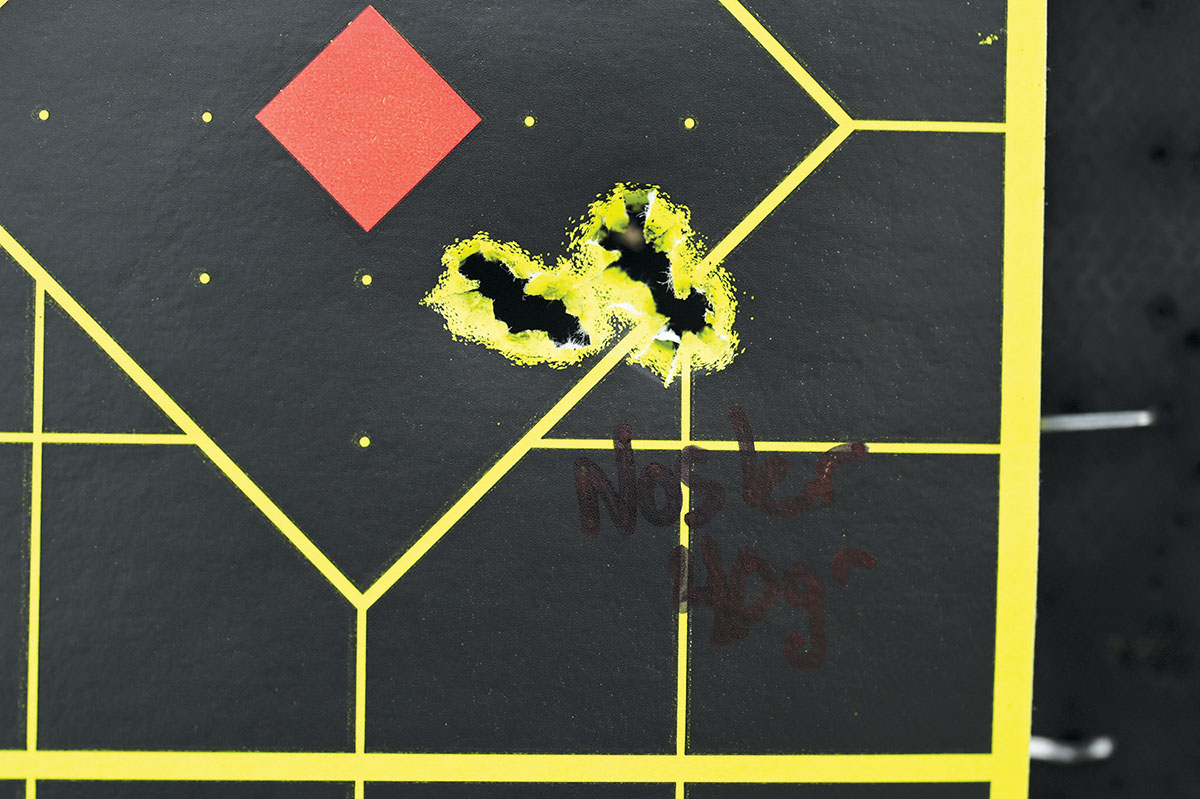
I wasn’t expecting the results I got, but that is why I test my assumptions and let the results speak for themselves. Like the factory ammo, my load with the lightest bullet (Nosler 40-grain) produced the best results of .64 for a five-shot group. Hornady 53-grain V-Max shot .87. Sierra 60-grain and 69-grain produced 5-shot sub-MOA groups of .92 and .97, while three-shot groups during early testing printed .36 and .38, respectively. Barnes MPG didn’t like the CFE 223 powder choice, and a 1.79-inch group proved I need to head back to the bench.
Handloading is a way to experiment. My assumption going into this project was that the light bullets would not perform as well as the heavier ones. I was wrong; in fact, the best groups in both the factory and handloaded ammunition came from the lightest bullets, though bullets from all weight classes were accurate. Knowing this, the next project will be to define the purpose of the load, whether it is for ground squirrels or coyotes; if it needs to be fur-friendly; and how far I want to stretch the effective range for open-country hunting.
The CZ 600 Alpha exceeds my expectations. It’s a rifle rich with features for the hunter and serious shooter. With a fast-twist barrel, it handles the heaviest bullets for this caliber, so whether you’re varminting or ringing steel at long range, it has you covered. My only gripe is the black, utilitarian stock. In my opinion, it lacks the character of the nice walnut stock, but for that reason, the CZ 600 American, a sibling model with a slightly slower 1:8 twist, may be a better choice. Is it wrong to own both?
The old advice about lightweight varmint bullets and fast-twist barrels didn’t hold up in my testing. The 1:7-twist CZ 600 Alpha shoots light 223 Remington loads accurately and consistently, with none of the instability or bullet failures that internet ‘experts’ warn about. I guess you can’t believe everything you read on the internet…unless you trust the source.