Latest Lead-Free Bullets
Surveying a New Breed of Varmint Options
feature By: Brian Pearce | August, 12

In July 2008 California began enforcing new legislation requiring the use of non-lead ammunition for most hunting activities in an area of central and southern California known to be inhabited by the protected California condor – theoretically to prevent the condors from being poisoned when ingesting lead fragments while scavenging animal waste parts left in the field. This has affected all hunters taking any big game species, coyotes or varmints in the condor range, and other states (including Minnesota and Washington) and select regions have or are considering similar legislation for a variety of reasons. As a result, ammunition manufacturers began developing bullets as components and in factory loaded cartridges that comply with such regulation restrictions.
I have had the opportunity to try most of the lead-free varmint bullets from all major ammunition and bullet makers, and in some cases observe their progression from prototype to finished product. Results have been interesting. Some have proven very accurate, while others still leave something to be desired. On the other hand, most offer the near explosive, rapid expansion that is desirable for shooting varmints.
Barnes Bullets
At the request of the U.S. military, Barnes developed a combat bullet designed to give limited penetration. With that technology, the Varmint Grenade line of bullets was developed with a gilding metal jacket and a compressed core of copper and tin. Bullets feature a hollow point and flat base. It took time to get this bullet to perform as the company wanted, but the end result is an excellent product.
A number of years ago, using high-speed photography, Barnes captured a 26-grain, .204-caliber Varmint Grenade traveling at 4,200 fps striking a blueberry. Even with this tiny target that offered very little resistance, the bullet completely disintegrated within the berry, effectively exploding both.
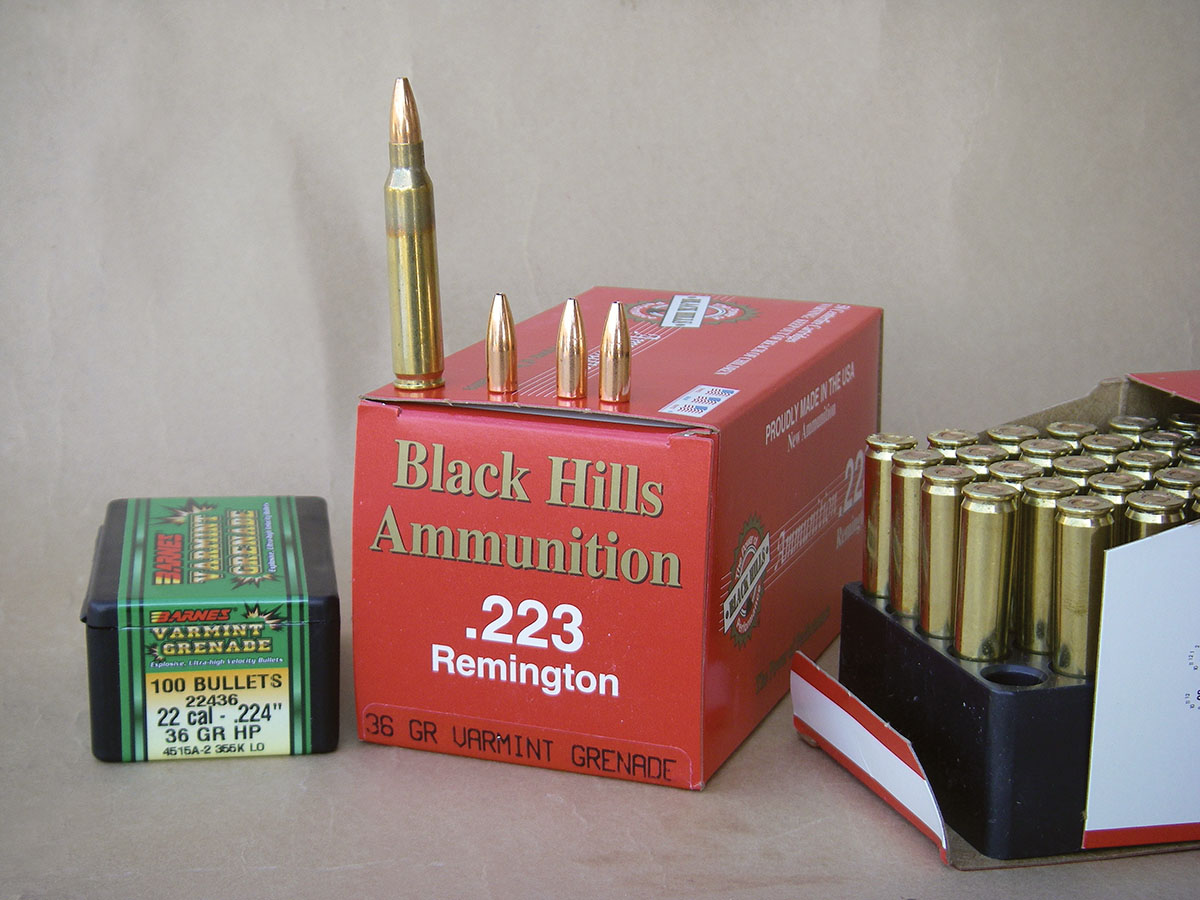
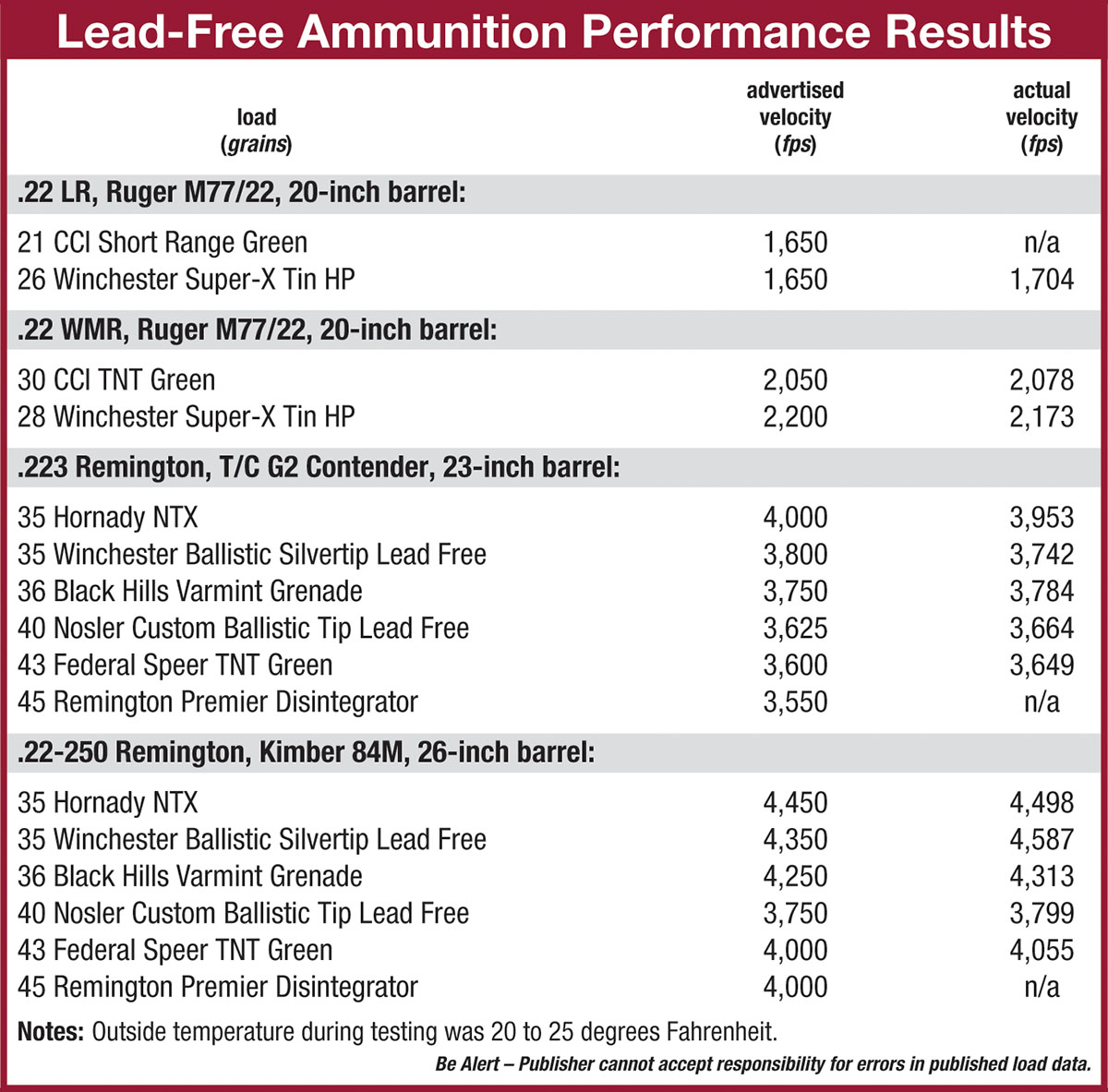
Black Hills Ammunition currently offers .223 and .22-250 Remington loads featuring 36-grain Varmint Grenades at 3,750 and 4,250 fps, respectively. In shooting these loads in the field and at paper targets, they are accurate, consistent and offer rapid expansion.
Hornady Manufacturing
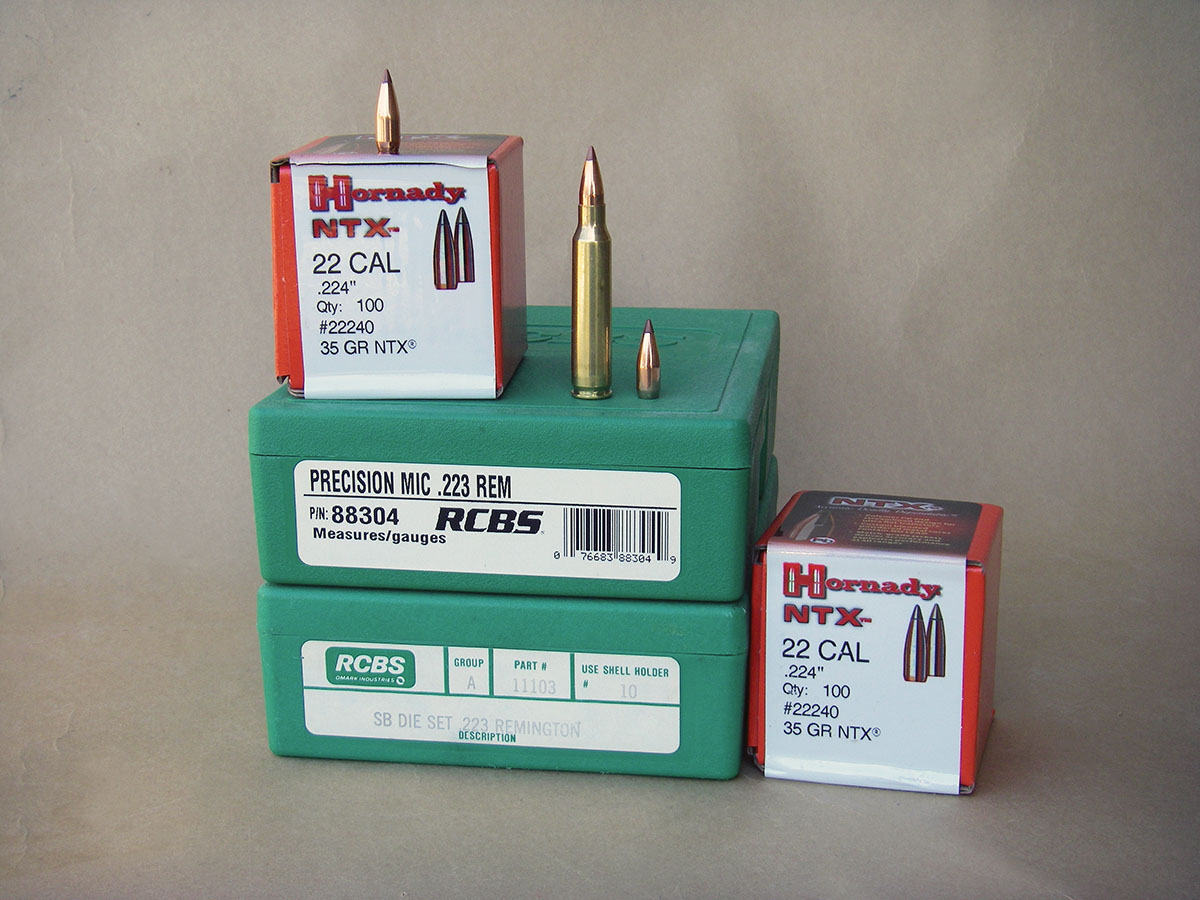
Hornady has entered the lead-free varmint bullet market with the NTX bullet, which is initially available in .204 and .224 calibers in 24- and 35-grain weights, respectively. Similar to Hornady’s popular V-MAX bullet, the NTX features a plastic tip, but instead of being red, it is light brown for easy identification. It features a boat-tail to help retain velocity on longer shots.
Externally the NTX jacket shares the same gilding metal used in other Hornady bullets (known to reduce fouling) and is accurate, but it is not a traditional cup-and-core design. The core is a compressed combination of copper and tin. In dissecting a bullet, the core broke apart into a fine powder with ease, something like a charcoal brick. Performance on game is reported to be similar to the V-MAX bullet, but due to the NTX’s lighter weight, it might not move body mass as much.
When ordering NTX samples, I was assured that accuracy would not be disappointing. Starting with the .22-caliber, 35-grain version, a handload was developed using a Remington Model 700 .223 Remington with a custom 24-inch barrel. With 26.8 grains of Accurate No. 2200 powder, velocity was just short of 4,000 fps, with a 100-yard group measuring .72 inch.
Hornady also offers the NTX in factory loaded ammunition in .204 Ruger, .223 Remington and .22-250 Remington. Advertised velocities are 4,400, 4,000 and 4,450 fps, respectively. As of this writing, I have not shot anything but paper targets with the NTX but have heard reports of good performance on varmints.
Nosler Custom/Winchester Ammunition
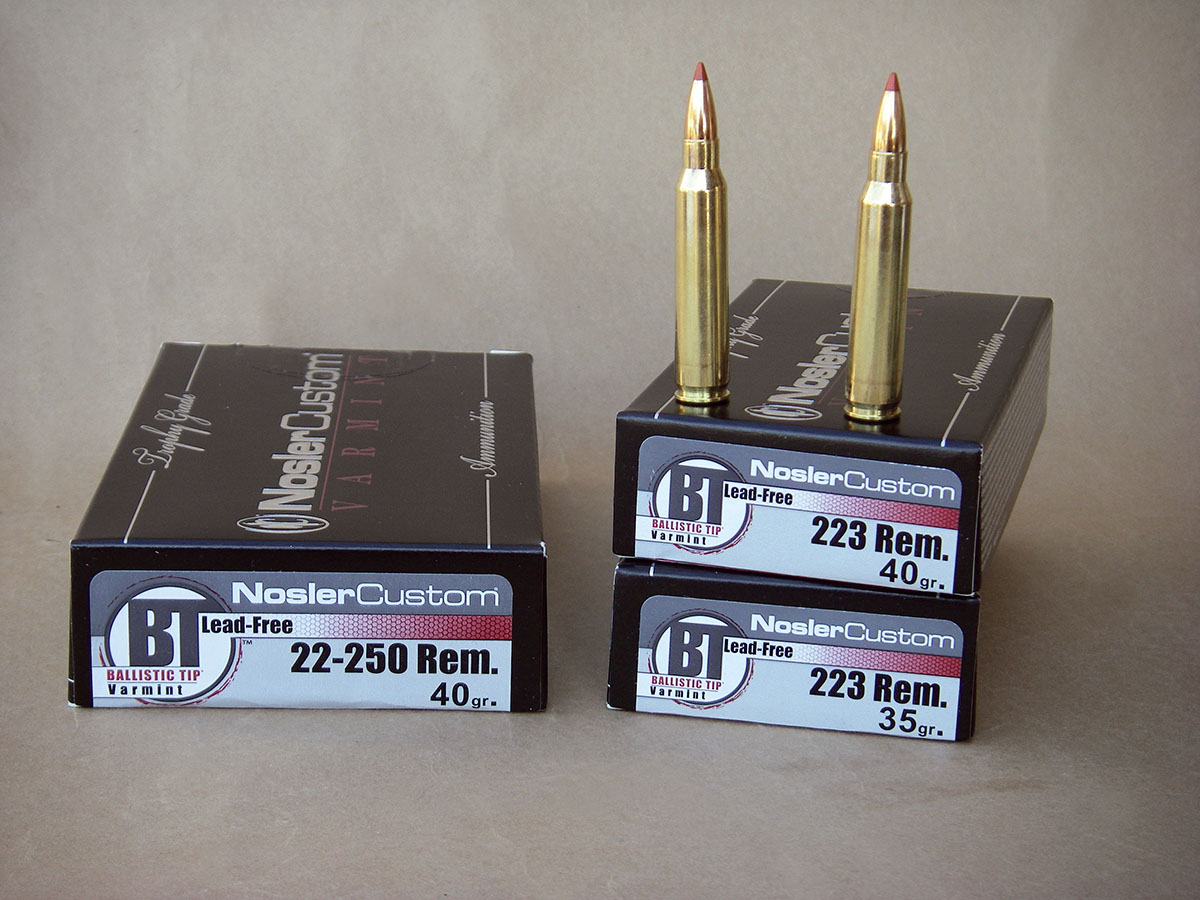
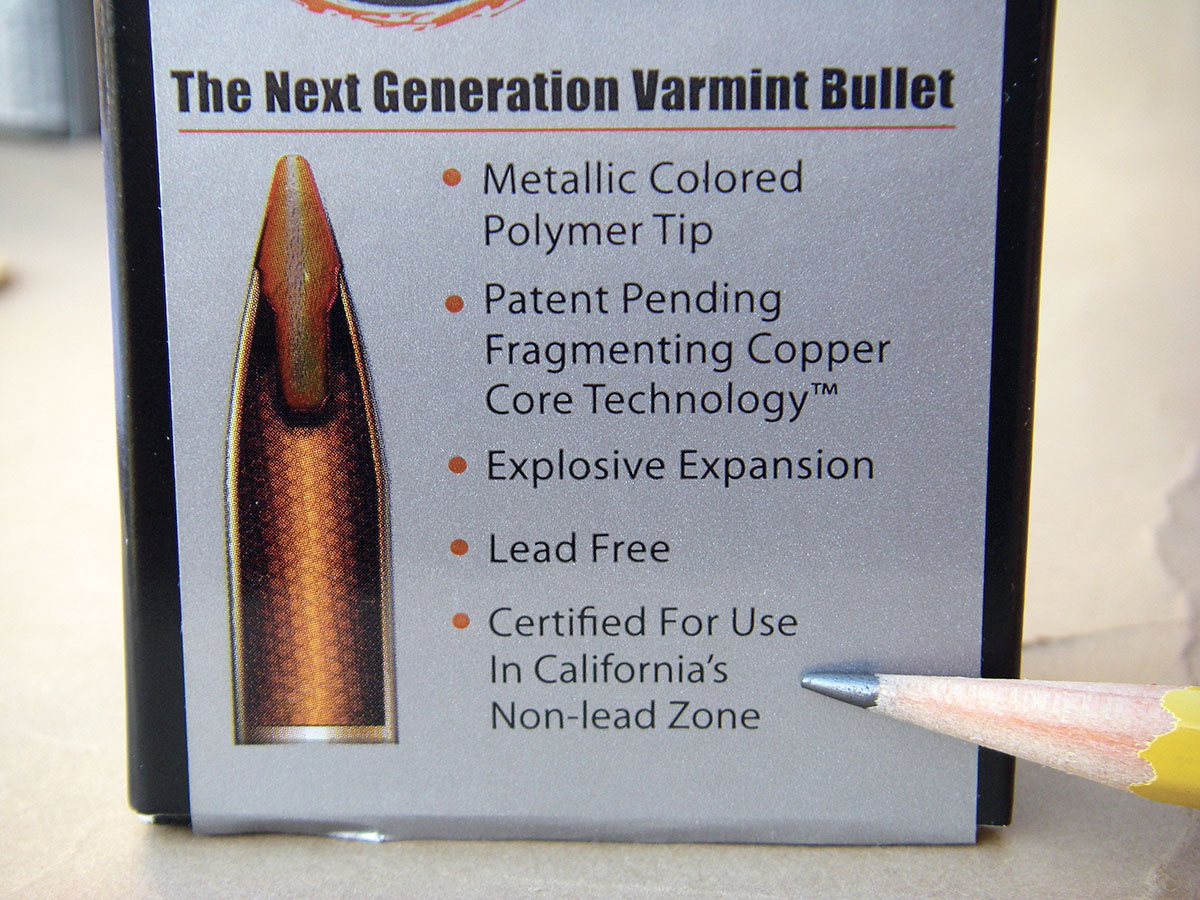
The Nosler Ballistic Tip (BT) with lead core is one of the most loved varmint bullets ever developed, with the Lead-Free (LF) version being a leader in its field. Soon after its introduction, I used it in a heavily populated prairie dog town. It was accurate and fragmented instantly. The BTLF features what Nosler refers to as Fragmenting Copper Core Technology, a patent-pending process that results in bullets claimed to fragment at speeds as slow as 1,600 fps. Based on field experience with this bullet, including shooting critters at long range, I believe it. It features a metallic colored plastic tip, and its flat base seems to help accuracy in a variety of rifles with variations in chamber and throat dimensions.
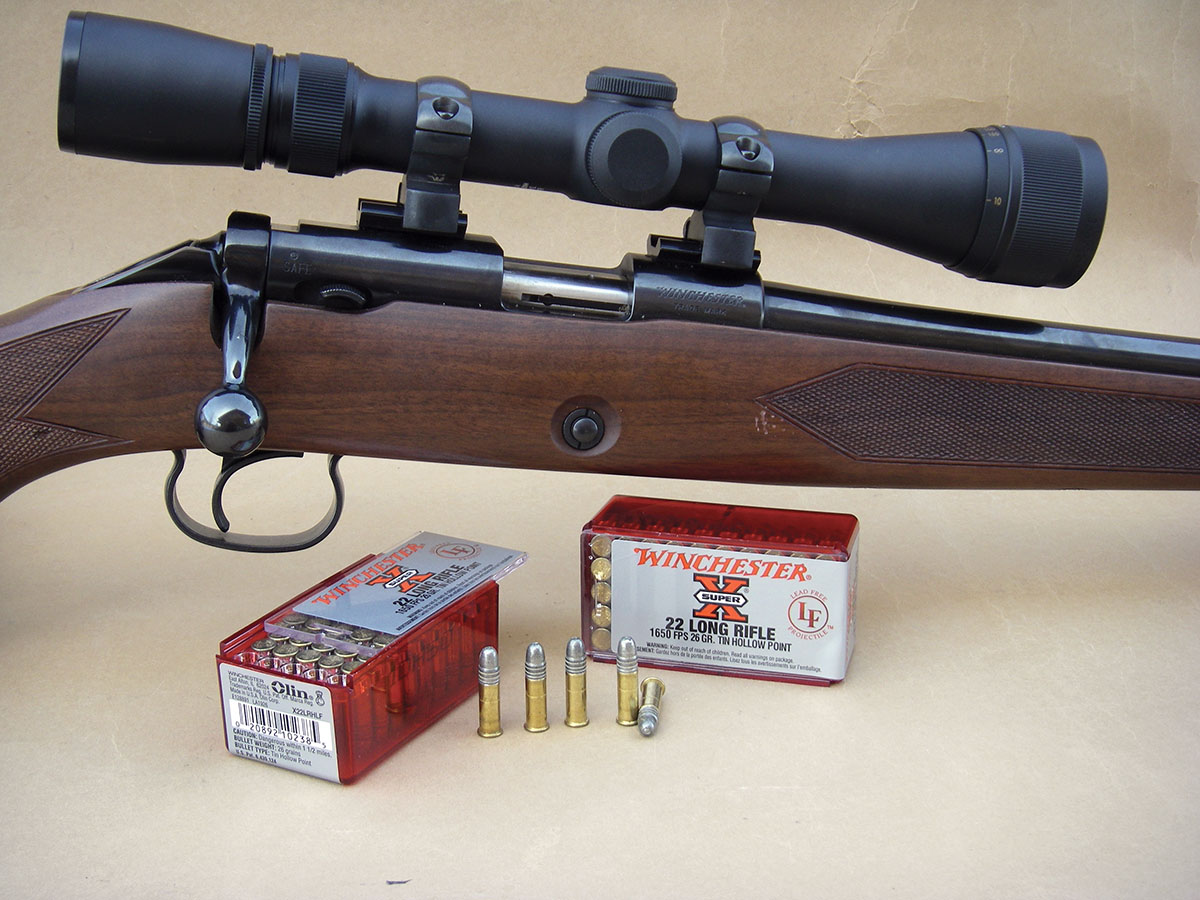
Winchester Ammunition also offers Nosler bullets in its Supreme ammunition line, in which the bullets are called Ballistic Silvertip Lead Free under the Combined Technology partnership. They are the same bullet but feature a silver plastic tip and will perform on varmints the same as the Nosler BTLF. In working with Winchester .223 and .22-250 Remington loads, each featuring 35-grain bullets, I was impressed. The .223 load clocked 3,742 fps from a 23-inch barrel, while the .22-250 load reached 4,587 fps from a 26-inch barrel. Both were accurate, with the Kimber 84M .22-250 consistently grouping well under one inch.
Remington Arms
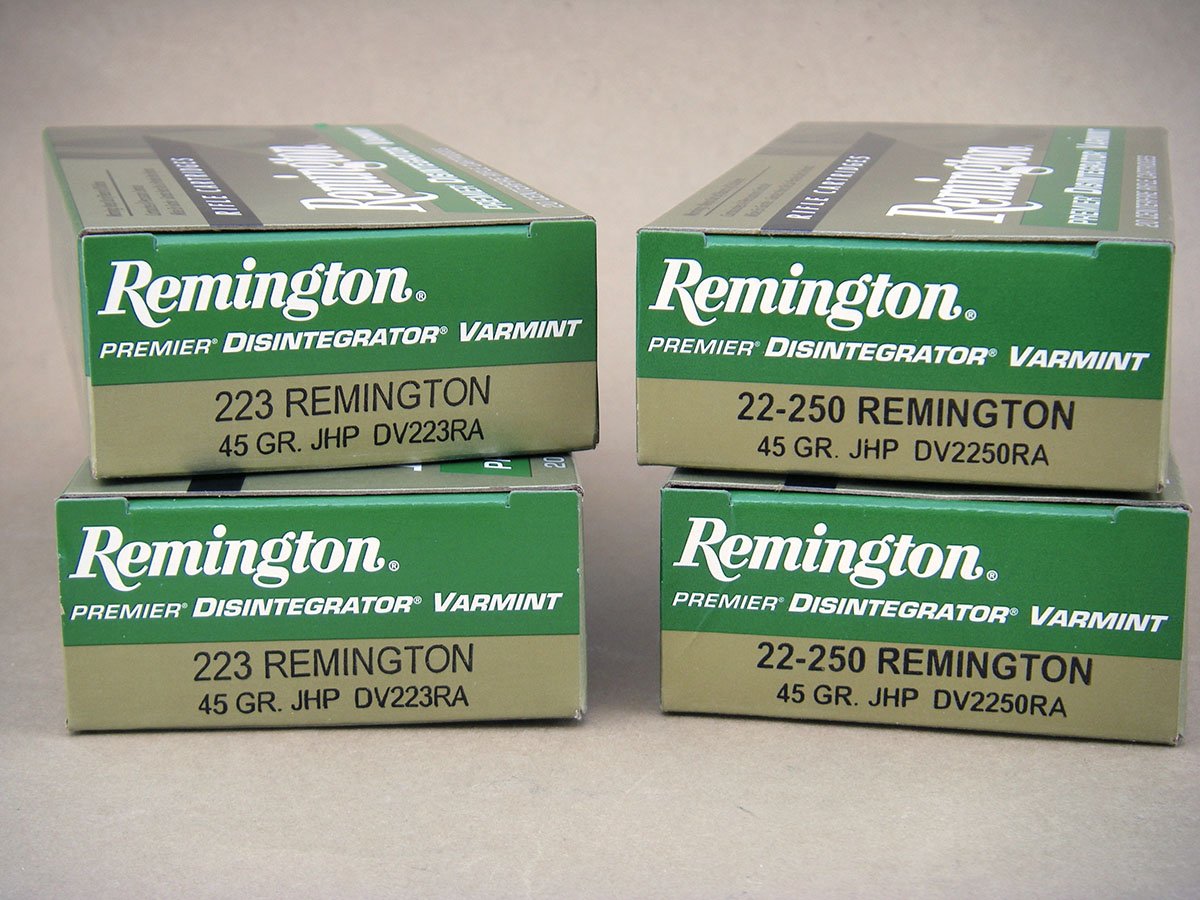
At this time, Remington is offering lead-free Premier Disintegrator Varmint loads for the .223 and .22-250 Remington cartridges, each
with 45-grain jacketed hollowpoints.
Advertised velocities are 3,550 and 4,000 fps, respectively.
The frangible Disintegrator core is constructed of iron and tin and breaks up upon impact. Remington claims these bullets will not ricochet, are accurate and deliver radical, explosive expansion. Unfortunately, no ammunition was available at press time, and thus I cannot offer insight as to the accuracy or performance of these loads.
Speer Bullets/Federal Ammunition
A few years back, I was invited
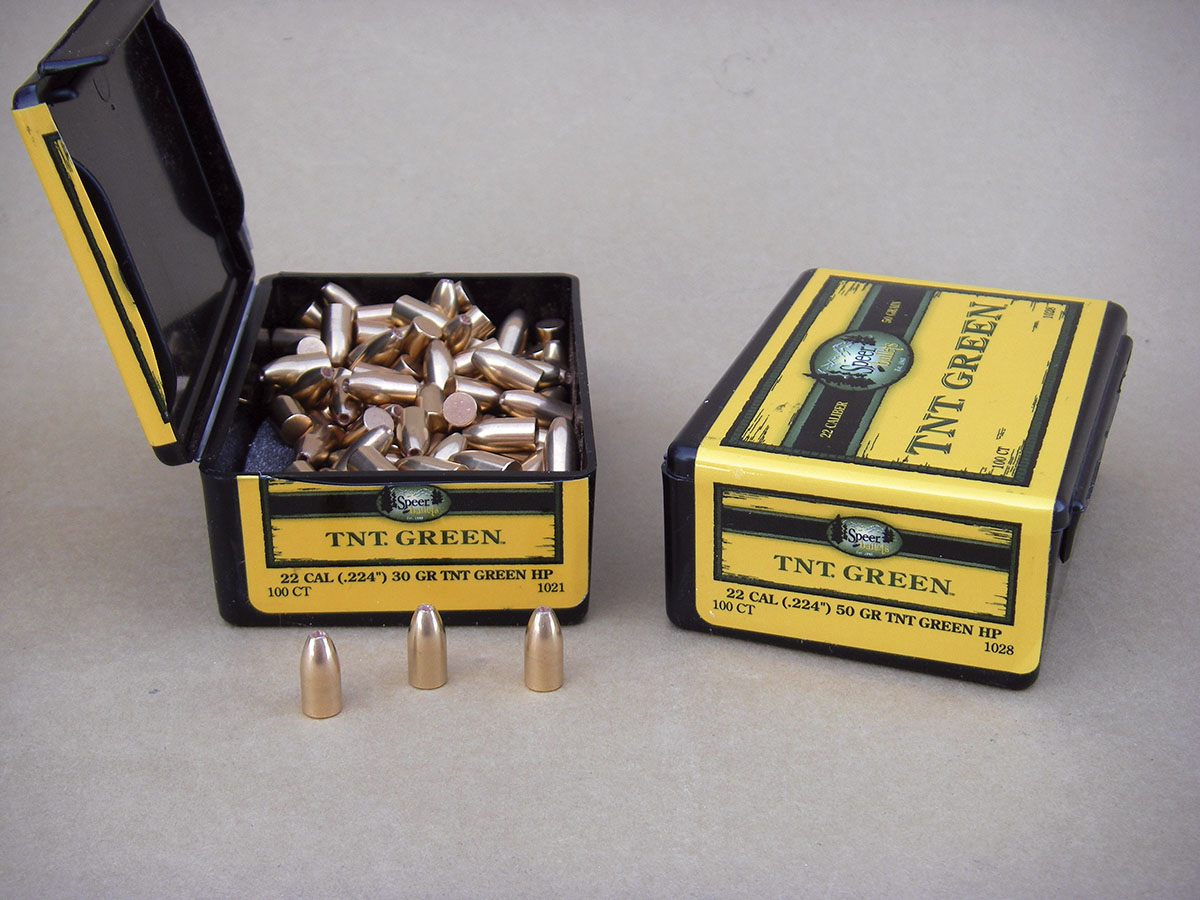
to the Speer plant in Lewiston, Idaho, where company representa-tives unveiled the then-new TNT Green bullet intended for non-lead zones. Having had experience with popular lead-based Speer TNT rifle bullets, which are accurate and offer
great terminal performance on varmints, the new Green version was expected to give similar results. Its core is primarily constructed of copper with proprietary binders, then compressed and inserted into a jacket.
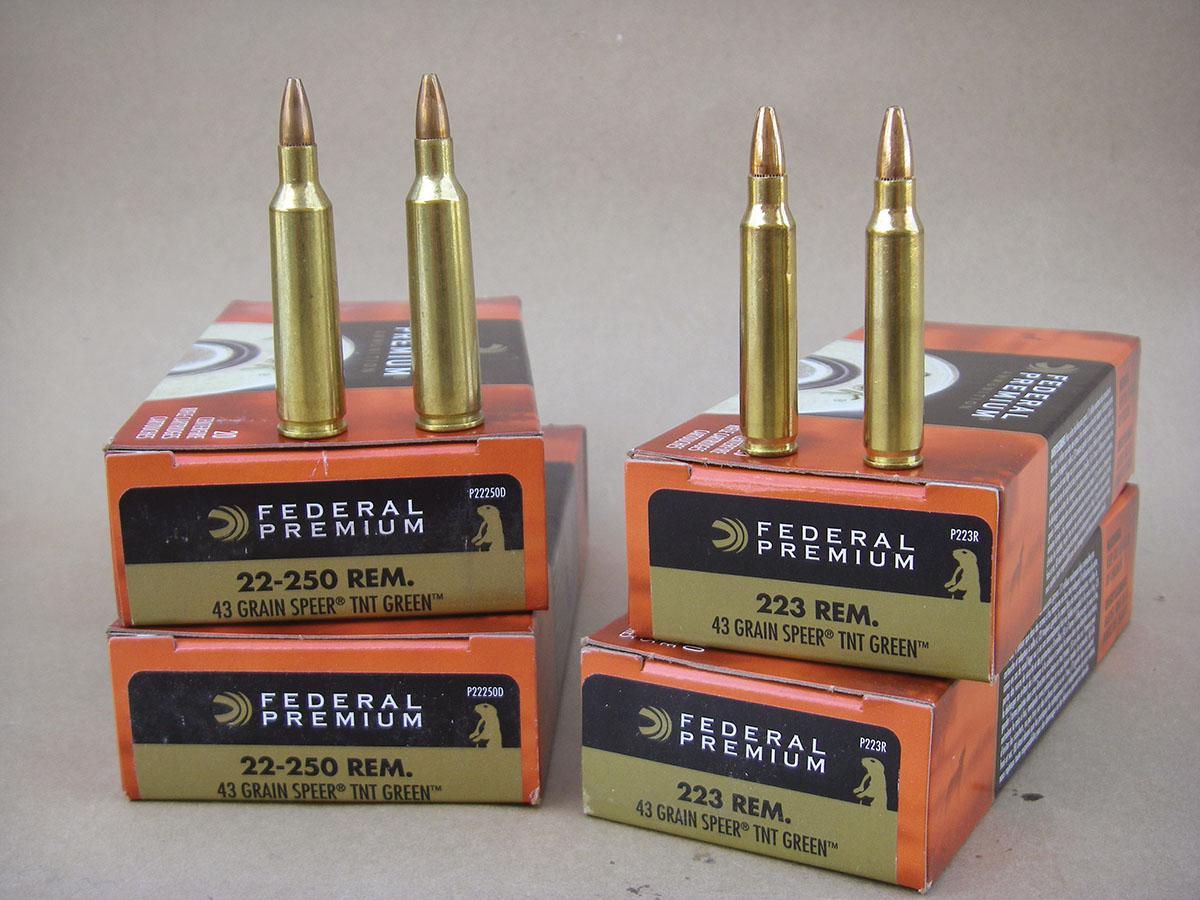
The latest batch of bullets tried – a .22-caliber, 43-grain version – is still giving similar accuracy as previous loads. Speer is a savvy company and there is little doubt it will continue to develop this bullet until accuracy is up to par.
Lead-Free Rimfire Loads
Winchester Ammunition has developed a respectable .22 Long Rifle load featuring a 26-grain tin hollowpoint bullet at an advertised 1,650 fps, but from a 20-inch barrel 10 shots averaged just over 1,700 fps. At 50 yards from a sandbag rest, 6 out of 10 shots went under .75 inch, with the other four shots opening the group to over 2.5 inches. I have not shot any critters to determine how it will perform terminally.
Winchester’s .22 WMR lead-free load features a 28-grain Super-X copper-jacketed, tin-core hollowpoint bullet at 2,200 fps. This load was cross-referenced in two rifles, a Marlin Model 925M and a Ruger Model 77/22, with 75-yard, five-shot groups measuring .78 and 1.22 inches, respectively. These group sizes were more or less repeatable and should be considered a good load by any standard. Unfortunately, other than a very unlucky Idaho ground squirrel that poked its head out in February, opportunities to check this load in the field for terminal performance have been limited.
With such a wide variety of bullets hitting the market since 2008, ammunition manufacturers have responded to legislation requiring non-lead bullets to accommodate hunters and shooters, as well as farmers and ranchers who need to control pests and varmints. All things considered, they have generally offered excellent products in rather short order, and lead-free bullets are certain to receive further improvements with time.